
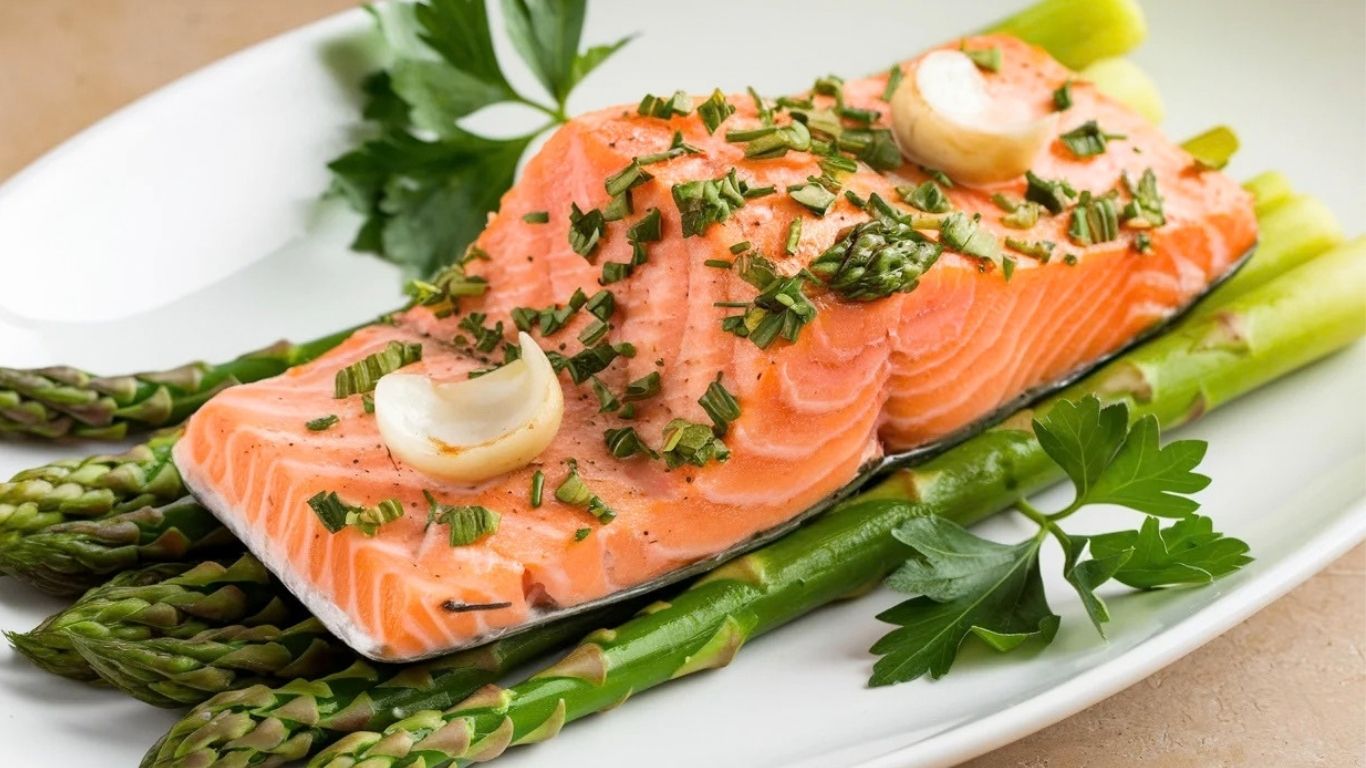
Keto Garlic Butter Salmon & Asparagus – An Easy 20-Minute One-Pan Dinner

Keto Garlic Butter Salmon & Asparagus
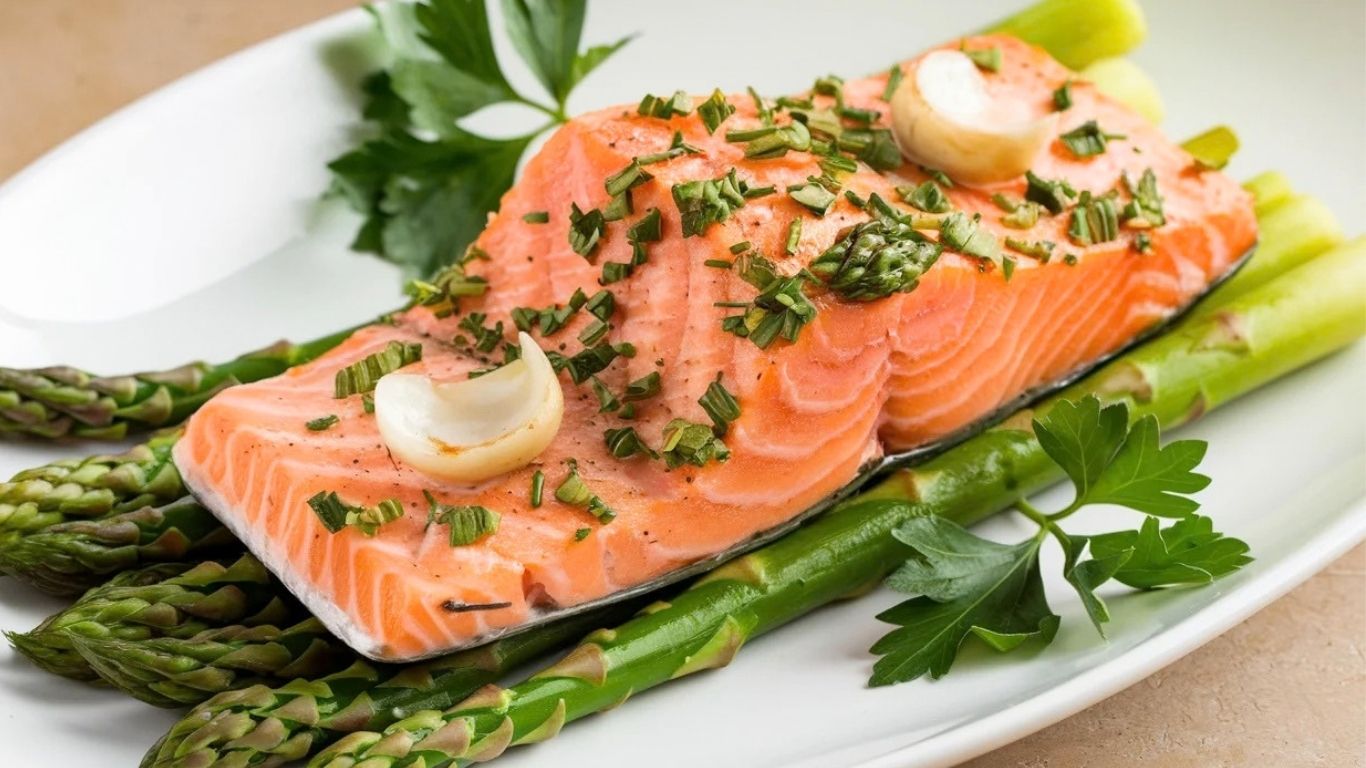
Ingredients
- 2 salmon fillets, about 6 ounces each
- 1 bunch asparagus, ends trimmed
- 3 tbsp butter
- 3 garlic cloves, minced
- 1 tbsp olive oil
- 1/2 tsp salt, plus more to taste
- 1/4 tsp black pepper
- 1/2 lemon, juiced
- 1/4 tsp red pepper flakes, optional
Instructions
- Pat the salmon dry with paper towels and season both sides with salt and black pepper.
- Heat the olive oil in a large skillet over medium-high heat. Add the asparagus and cook for 3–4 minutes, turning occasionally. Remove the asparagus and set aside.
- Add the butter to the same skillet. Once melted, place the salmon in the pan and cook for about 3–4 minutes per side, or until golden on the outside and cooked through.
- Move the salmon slightly to one side of the skillet. Add the minced garlic and red pepper flakes, if using. Cook for about 30 seconds until fragrant.
- Add the lemon juice and spoon some of the garlic butter over the salmon.
- Return the asparagus to the skillet and toss it gently in the garlic butter. Cook for another minute.
- Serve the salmon and asparagus immediately with the remaining garlic butter from the skillet.
When I need dinner on the table quickly, salmon is one of the first things I reach for. It cooks fast, doesn’t need much preparation, and works beautifully with simple ingredients. This Keto Garlic Butter Salmon & Asparagus is a perfect example. The salmon turns tender and flaky in the skillet while the asparagus stays pleasantly crisp, and a quick garlic butter sauce brings everything together.
I especially like making this when I want something that feels a little special without spending much time in the kitchen. The whole meal comes together in one pan, and the combination of butter, garlic, lemon, and a little red pepper gives the salmon plenty of flavor without needing a complicated sauce.
A Few Tips Before You Start
- Pat the salmon dry before seasoning so it sears instead of steaming.
- Trim the asparagus evenly so the pieces cook at roughly the same rate.
- Let the salmon cook undisturbed for a few minutes before turning it.
- Keep the garlic cooking time short to prevent it from becoming bitter.
- Add the lemon juice toward the end to brighten the buttery sauce.
- If using frozen salmon, thaw it completely and dry it particularly well before cooking.
Why the Salmon and Asparagus Work So Well Together
There is a nice balance between the two main ingredients in this skillet. Salmon has a naturally rich flavor and tender texture, while asparagus brings a fresh, slightly earthy contrast. Butter and garlic bridge the two, coating the vegetables and fish with a simple savory sauce.
The cooking method also keeps things practical. The asparagus gets a quick head start in the skillet, then the salmon cooks in the same pan. Once the garlic and butter are added, there is very little left to do before dinner is ready.
What Makes This One-Pan Dinner Special
The ingredient list is short, but the finished dish doesn’t taste plain. Garlic, butter, lemon, and red pepper flakes give the salmon plenty of character, while the asparagus picks up some of the same buttery seasoning.
I also like the contrast in texture. Properly cooked salmon should be tender and flaky rather than dry, while the asparagus is best when it is bright green and still has a little bite. Keeping the cooking time controlled makes a noticeable difference.
My Simple Trick for Better-Seared Salmon
The small step I never skip is patting the salmon completely dry before seasoning it. Excess surface moisture can interfere with browning, especially when you’re trying to get a nicely seared exterior in a skillet.
I also recommend leaving the salmon alone while it cooks. It can be tempting to move or flip the fillets repeatedly, but giving them a few uninterrupted minutes helps them develop better color and makes them easier to turn.
What You’ll Need
- 2 salmon fillets, about 6 ounces each – Use skin-on or skinless fillets.
- 1 bunch asparagus – Trim the woody ends before cooking.
- 3 tablespoons butter – This forms the base of the garlic butter sauce.
- 3 garlic cloves, minced – Fresh garlic gives the strongest flavor.
- 1 tablespoon olive oil – Used to cook the asparagus.
- 1/2 teaspoon salt, plus more to taste
- 1/4 teaspoon black pepper
- 1/2 lemon, juiced – Adds brightness to the rich butter sauce.
- 1/4 teaspoon red pepper flakes, optional – Add more or less depending on your preference for heat.
How to Make Keto Garlic Butter Salmon & Asparagus
- Prepare the salmon. Pat the salmon fillets dry with paper towels. Season both sides with salt and black pepper.
- Cook the asparagus. Heat the olive oil in a large skillet over medium-high heat. Add the trimmed asparagus and season lightly with salt. Cook for about 3–4 minutes, turning occasionally, until the asparagus becomes bright green and is crisp-tender. Transfer it to a plate.
- Sear the salmon. Add the butter to the same skillet. Once melted, place the salmon fillets in the pan. Cook for approximately 3–4 minutes per side, depending on their thickness, until golden on the outside and tender and flaky inside.
- Add the garlic. Move the salmon slightly to one side of the skillet and add the minced garlic to the melted butter. Sprinkle in the red pepper flakes if using. Cook for about 30 seconds, stirring gently, until the garlic becomes fragrant.
- Finish with lemon. Squeeze the lemon juice over the salmon and garlic butter. Spoon some of the butter from the pan over the salmon.
- Bring everything together. Return the asparagus to the skillet and gently toss it through the garlic butter. Let everything cook together for about 1 minute so the asparagus warms through and picks up the sauce.
- Serve. Transfer the salmon and asparagus to plates and spoon any remaining garlic butter from the skillet over the top.
Easy Ingredient Swaps
This recipe is flexible, so you can adjust it based on what you have available.
- Salmon → chicken thighs: Chicken can replace the salmon, but it will require a longer cooking time and should be cooked to a safe internal temperature.
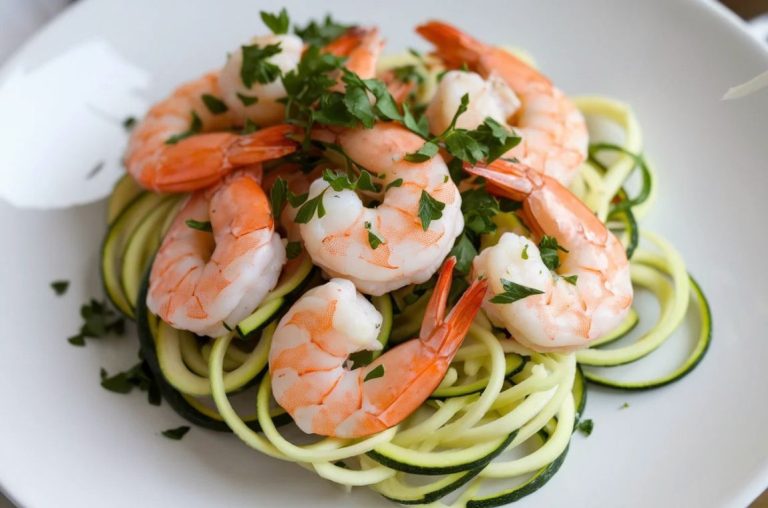
- Salmon → shrimp: Shrimp cook much faster than salmon, so add them only when the asparagus is nearly finished.
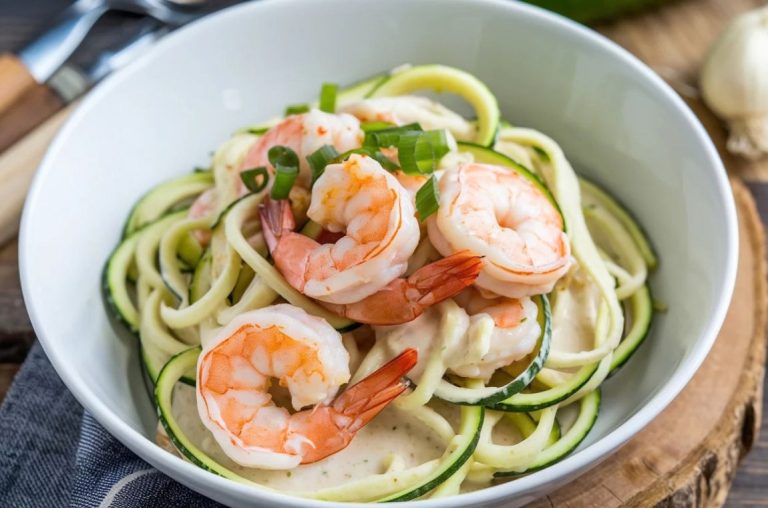
- Asparagus → zucchini: Sliced zucchini works well with the garlic butter but will soften more quickly.
- Asparagus → green beans: Green beans provide a firmer texture and may need a few extra minutes of cooking.
- Butter → ghee: Ghee can replace butter if preferred and will give the sauce a slightly different flavor.
- Fresh garlic → garlic powder: Use a smaller amount, starting with about 1/2 teaspoon, although fresh garlic gives the best flavor.
How to Store and Reheat It
If you have leftovers, place the salmon and asparagus in an airtight container and refrigerate them for up to 2 days.
For the best texture, reheat the salmon gently in a skillet over low to medium-low heat. Add a small amount of butter or olive oil if needed. Avoid using high heat because salmon can dry out quickly during reheating.
The asparagus may become softer after refrigeration, but it will still work well as a leftover side.
Common Problems to Avoid
- Overcooking the salmon: Salmon can go from tender to dry fairly quickly. Keep an eye on the fillets and adjust the cooking time according to their thickness.
- Skipping the pat-dry step: Wet salmon will have more difficulty developing a good seared surface.
- Burning the garlic: Garlic only needs a short time in the hot butter. Once it becomes fragrant, move on to the next step.
- Overcooking the asparagus: The asparagus should remain bright green with some texture rather than becoming completely soft.
- Moving the salmon too much: Let it cook undisturbed for several minutes before turning it so it has a chance to brown properly.
- Adding too much lemon: Lemon brightens the sauce, but too much can overpower the butter and garlic. Start with the juice from half a lemon and adjust after tasting.
Questions You May Have
Can I use frozen salmon?
Yes. Thaw the salmon completely in the refrigerator before cooking, then pat it very dry with paper towels. Frozen salmon can release quite a bit of moisture as it cooks, so drying the surface well is especially important for good browning.
Can I use frozen asparagus?
You can, although fresh asparagus will give you a firmer texture. If using frozen asparagus, avoid overcrowding the skillet and cook it just until heated through and tender.
Can I make this meal ahead of time?
You can prep the ingredients ahead by trimming the asparagus, mincing the garlic, and seasoning the salmon shortly before cooking. For the best texture, I recommend cooking the salmon close to serving time rather than preparing it several hours in advance.
How do I know when the salmon is done?
The salmon should become opaque and flake easily when tested with a fork. The exact cooking time depends on the thickness of the fillets, so visual cues and an instant-read thermometer are more reliable than time alone.
What can I serve with garlic butter salmon?
The asparagus already makes this a simple one-pan meal, but you can serve it with cauliflower rice, zucchini noodles, or a simple green salad. These sides also work well with the garlic butter left in the skillet.
A Simple Salmon Dinner Worth Repeating
Keto Garlic Butter Salmon & Asparagus is proof that a short ingredient list can still produce a satisfying dinner. The salmon is tender and flavorful, the asparagus adds a fresh contrast, and the garlic butter with lemon brings everything together in the same skillet.
I like this recipe most when I don’t want to spend much time cooking but still want dinner to feel homemade. Keep the salmon from overcooking, give the asparagus just enough time to stay crisp-tender, and let that garlic butter do the rest.