
Almond Flour Shortbread Bars: Buttery, Tender, and Easy to Bake

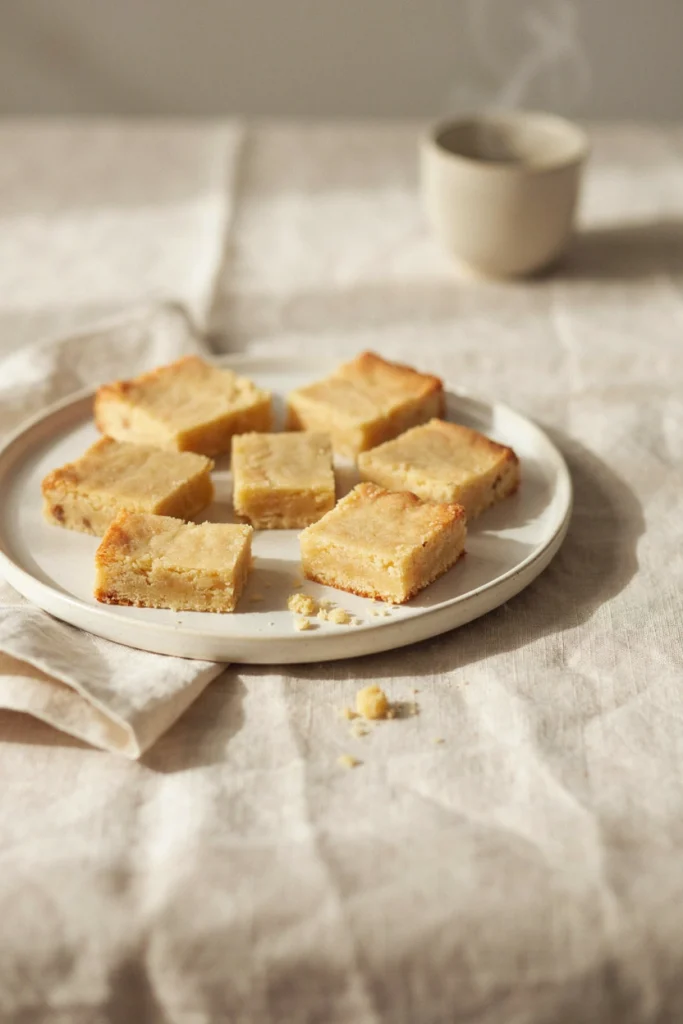
Almond flour shortbread bars offer a simple way to enjoy a buttery treat with a delicate crumb and a subtle nutty flavor. Made with a handful of everyday baking ingredients, they have a tender texture and lightly golden edges that make them lovely alongside a cup of coffee or tea.
Almond Flour Shortbread Bars
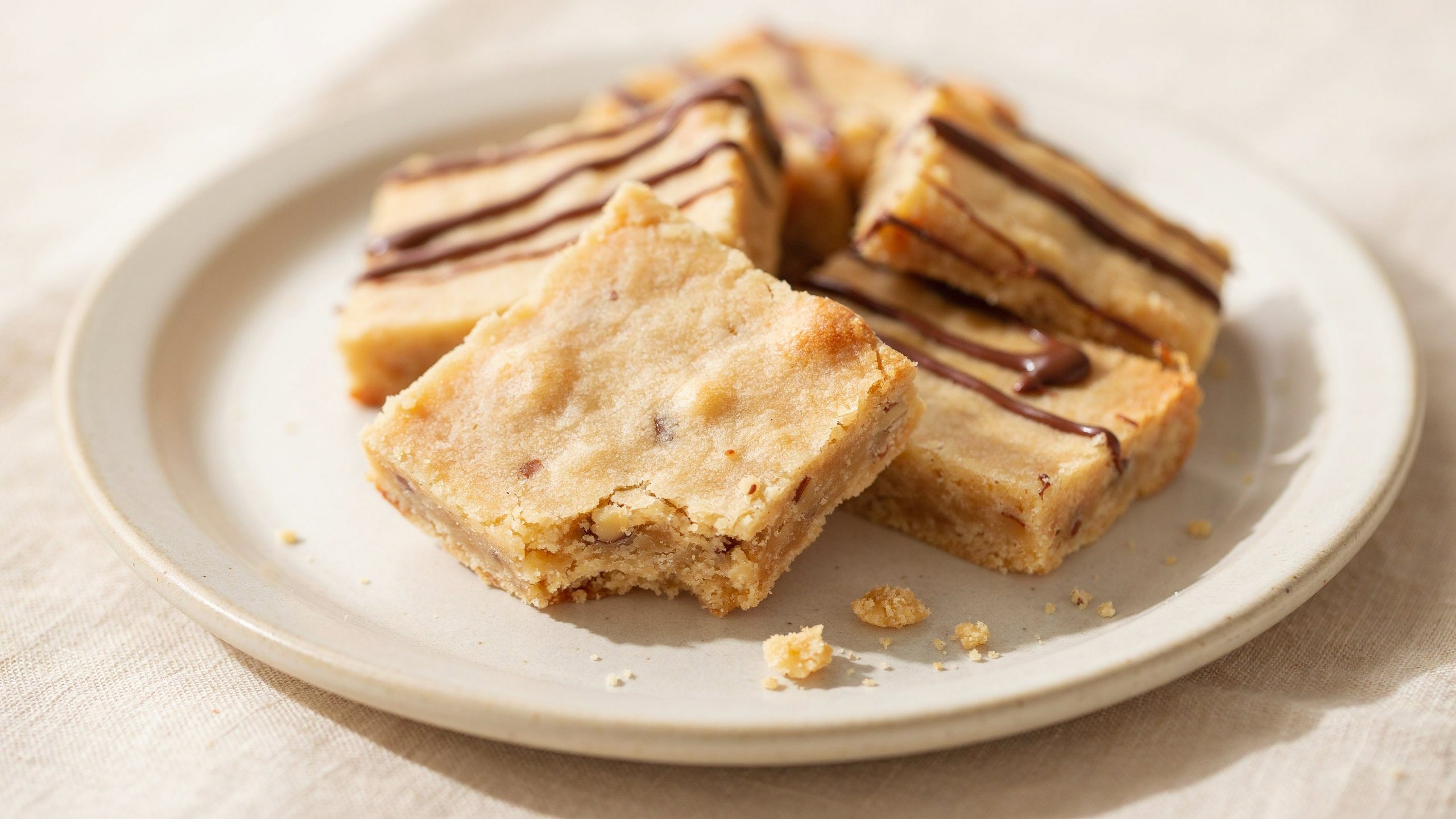
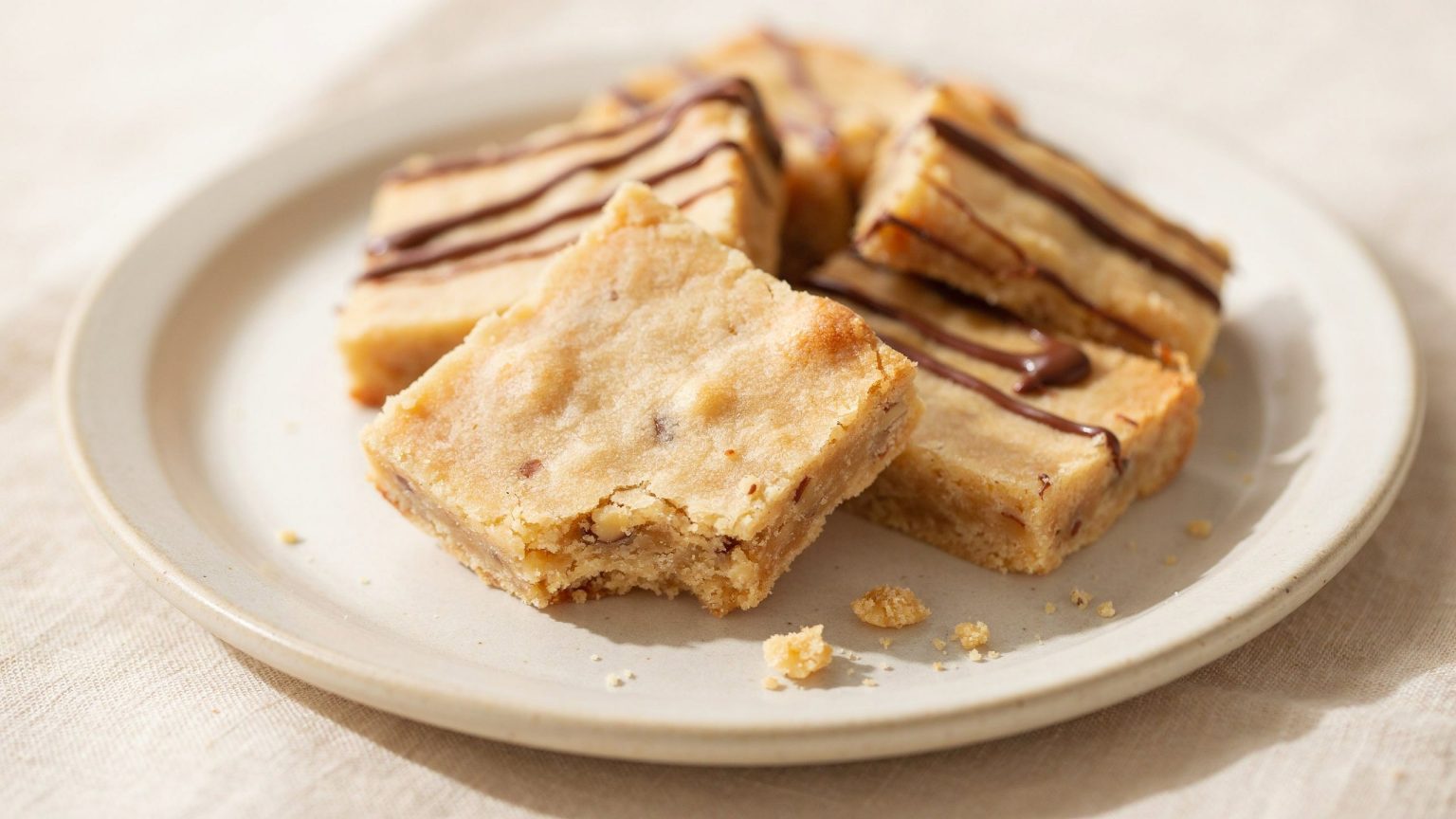
Buttery, tender shortbread bars made with almond flour, a touch of vanilla, and lightly golden edges.
Ingredients
- 2 cups blanched almond flour
- 1/4 cup coconut sugar
- 1/2 cup unsalted butter, melted
- 1 teaspoon vanilla extract
- 1/4 teaspoon salt
- Optional: dark chocolate chips or melted chocolate for drizzling
For this recipe, the key is getting the balance of almond flour and butter right. The mixture should hold together when pressed into the pan without becoming overly greasy. A little patience after baking also makes a difference, allowing the bars to firm up before slicing.
Key Takeaways
- Simple ingredients: Almond flour, butter, sweetener, vanilla, and salt form the base.
- Gluten-free baking: Almond flour replaces traditional wheat flour.
- Easy preparation: The dough comes together in one bowl without a mixer.
- Better slicing: Cooling the baked mixture completely helps the bars hold their shape.
- Flexible flavor: Chocolate, cinnamon, or citrus zest can add a different twist.
Why This Recipe Works
Almond flour gives these shortbread bars a naturally nutty taste and a tender, slightly crumbly texture. Since almond flour contains more fat than many conventional flours, the butter needs to be measured carefully to keep the mixture cohesive without making it greasy.
The melted butter binds the dry ingredients, while vanilla adds warmth and salt balances the sweetness. I recommend using finely ground blanched almond flour for a smoother crumb and a more uniform appearance.
The preparation is straightforward, but the cooling stage deserves attention. Almond flour baked goods can be fragile while warm, so letting the bars cool fully before cutting helps produce cleaner squares.
Ingredients for Almond Flour Shortbread Bars
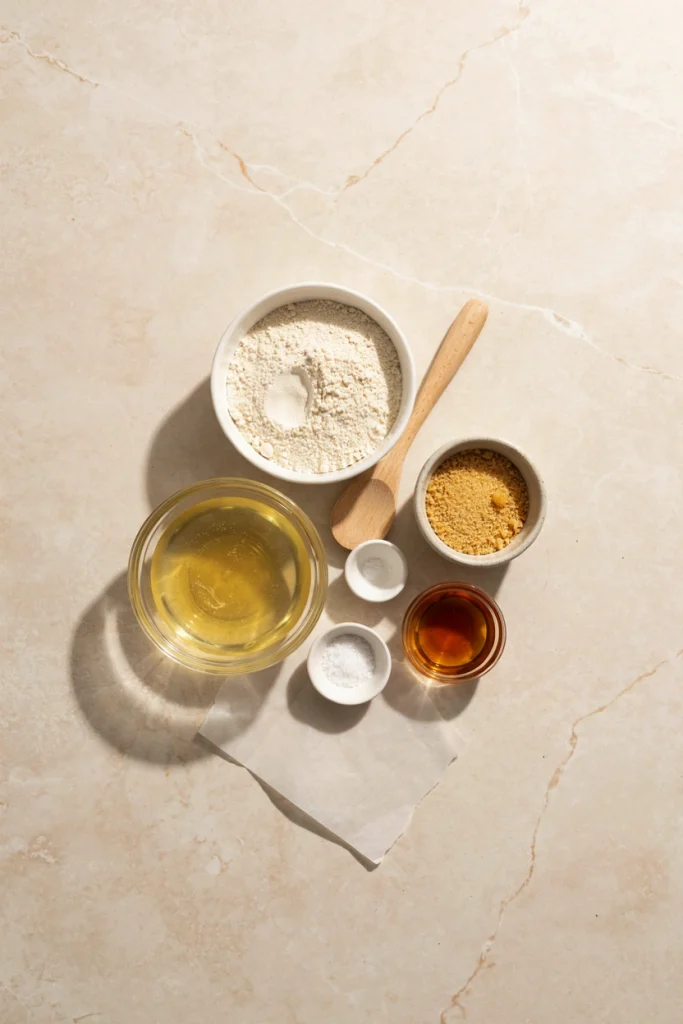
- 2 cups blanched almond flour: Provides the base, a delicate crumb, and a mild nutty flavor.
- 1/4 cup coconut sugar: Adds sweetness and a light caramel-like note. Granulated sugar or a suitable granulated sweetener can also be used, although the flavor and texture may change.
- 1/2 cup unsalted butter, melted: Brings richness and helps bind the ingredients.
- 1 teaspoon vanilla extract: Adds a warm, sweet aroma.
- 1/4 teaspoon salt: Balances the sweetness and enhances the buttery flavor.
- Optional chocolate chips or melted dark chocolate: For a chocolate-studded version or a decorative topping.
Choosing the Right Ingredients
Finely ground almond flour is preferable to coarse almond meal because it creates a more even texture. Almond meal, which often contains the skins and has a rougher grind, may produce denser, more rustic bars.
Allow the melted butter to cool slightly before mixing it with the other ingredients. It should remain liquid but not be piping hot. This makes it easier to combine everything evenly.
If you use a sugar substitute, check whether it is intended to replace sugar in equal amounts. Different sweeteners vary in sweetness, moisture, and how they affect the finished texture.
How to Make Almond Flour Shortbread Bars
- Prepare the oven and pan. Preheat the oven to 350°F (175°C). Line an 8-by-8-inch baking pan with parchment paper, leaving a little overhang to make lifting the bars easier.
- Combine the dry ingredients. Add the almond flour, coconut sugar, and salt to a mixing bowl. Whisk until evenly distributed and break up any visible lumps.
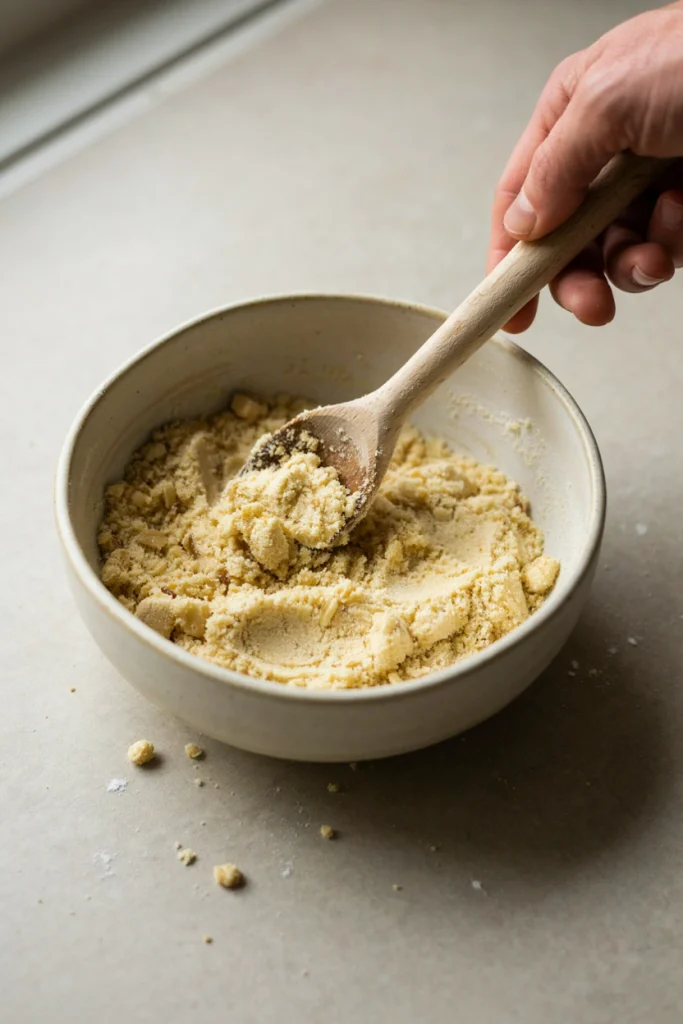
- Mix in the butter and vanilla. Pour in the melted, slightly cooled butter and vanilla extract. Stir until the mixture resembles moist crumbs and holds together when pressed between your fingers.
- Press the mixture into the pan. Transfer the dough to the prepared pan. Press it firmly into an even layer, paying particular attention to the corners and edges so the bars bake consistently.
- Bake until lightly golden. Bake for approximately 15–18 minutes, checking toward the end of the baking time. The edges should look lightly golden, while the center should appear set rather than wet. Oven temperatures and pan materials can affect the timing.
- Cool completely. Place the pan on a cooling rack and let the shortbread cool fully before lifting it out. Cutting the bars while warm can cause them to crumble.
- Slice and serve. Use a sharp knife to cut the cooled shortbread into squares or rectangles. If desired, drizzle with melted dark chocolate and allow the topping to set before serving.
Tips for Better Shortbread Bars
A few small details can improve the texture and appearance of the finished bars.
- Press the dough evenly: A consistent thickness helps the edges and center bake at a similar rate.
- Avoid adding extra butter too quickly: The mixture should hold together when pressed. If it seems slightly crumbly in the bowl, test a small handful before adjusting the ingredients.
- Watch the edges: Almond flour can brown quickly because of its natural fat content. Remove the pan when the edges are lightly golden rather than deeply browned.
- Allow enough cooling time: The bars become firmer as they cool, making them easier to cut and handle.
- Use parchment paper: The overhang makes it easier to lift the slab out of the pan without breaking it.
Common Mistakes to Avoid
Baking the Bars for Too Long
Deeply browned edges can indicate that the shortbread has baked longer than necessary. Start checking around the 15-minute mark, especially if your oven tends to run hot. The bars should be set and lightly golden around the edges.
Using the Wrong Type of Almond Flour
Coarse almond meal can create a rougher, heavier texture. For a delicate shortbread crumb, finely ground blanched almond flour is the better choice.
Cutting While the Bars Are Warm
Warm shortbread is fragile and may break apart under the knife. Cooling allows the butter to firm up and helps the bars hold their shape.
Making the Dough Too Greasy
Adding extra butter without checking the consistency can leave the finished bars oily. Mix the ingredients thoroughly first, then assess whether the dough actually needs adjustment.
Pressing the Dough Unevenly
Thin sections can bake faster than thicker sections, leading to uneven browning. Take a moment to smooth the surface and level the dough before placing the pan in the oven.
Variations and Substitutions
These bars can be adapted to suit different flavor preferences, but substitutions may change their texture.
- Chocolate shortbread bars: Fold a small amount of chocolate chips into the mixture or drizzle melted dark chocolate over the cooled bars.
- Lemon almond shortbread: Add finely grated lemon zest for a fresh citrus note that balances the buttery richness.
- Cinnamon shortbread: Mix a little ground cinnamon into the dry ingredients for a warmer flavor.
- Vanilla-forward bars: Increase the vanilla slightly if you prefer a more pronounced aroma.
- Different granulated sweetener: Regular granulated sugar or a suitable baking sweetener can replace coconut sugar, though sweetness and browning may vary.
- Cashew or hazelnut flour: These may work in adapted recipes, but their fat content and grind can change the consistency. The original proportions may not produce identical results.
- Dairy-free alternative: A plant-based butter formulated for baking may work, but choose one with a firm consistency. Coconut oil is not a perfect one-to-one substitute for butter because it changes the flavor and texture.
For a low-carb variation, use a suitable granulated low-carb sweetener and check the nutritional information for the specific ingredients. The finished bars are not automatically keto-friendly simply because they contain almond flour.
How to Store Almond Flour Shortbread Bars
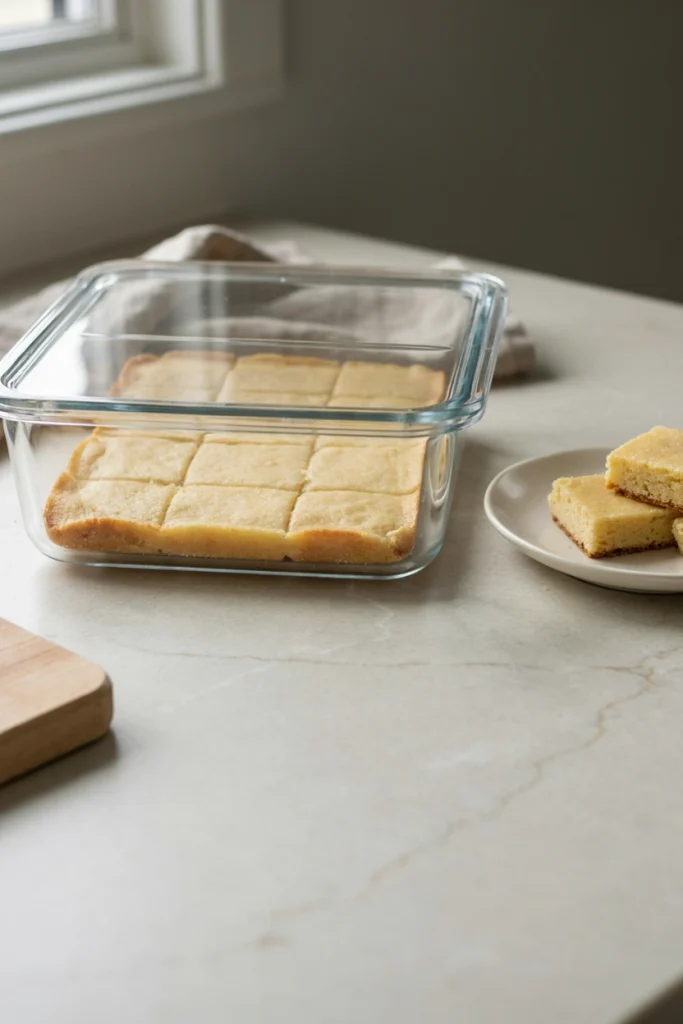
Let the bars cool completely before storing them. Place them in an airtight container to protect their texture and prevent them from absorbing moisture or odors from other foods.
- Room temperature: Store in a cool, dry place for a short period, provided the ingredients and your kitchen conditions allow it.
- Refrigerator: Refrigeration can help the bars stay firm, particularly in warm weather. Keep them in a sealed container.
- Freezer: For longer storage, freeze the fully cooled bars in a freezer-safe container, separating layers with parchment paper. Thaw them in the refrigerator or at room temperature before serving.
For the best texture, keep moisture away from the bars and avoid stacking them before they are fully cooled.
Frequently Asked Questions
Are almond flour shortbread bars gluten-free?
Almond flour does not contain gluten, so these bars can be made gluten-free with the listed ingredients. Check the labels of any optional toppings or packaged ingredients to ensure they meet your dietary requirements.
Can I make these bars without coconut sugar?
Yes. Granulated sugar or a suitable granulated sweetener can be used instead. The final flavor, browning, and texture may vary depending on the substitute.
Why are my almond flour shortbread bars crumbly?
Almond flour shortbread is naturally more delicate than traditional wheat-based shortbread. An uneven mixture, insufficient binding, or cutting the bars before they have cooled can make them fall apart. Press the dough firmly into the pan and allow the bars to cool completely.
Can I prepare the dough ahead of time?
You can mix the ingredients ahead and refrigerate the dough in a covered container. If the butter firms up enough to make the mixture difficult to press, let it soften slightly before transferring it to the pan. Bake once the dough can be spread evenly.
Are almond flour shortbread bars keto-friendly?
They can be adapted for a keto-style diet by replacing coconut sugar with an appropriate low-carb sweetener. However, the amount of sweetener and the nutritional values of the almond flour and other ingredients determine the final carbohydrate content. Check the ingredient labels and calculate the nutrition for your specific batch.
Final Thoughts
Almond flour shortbread bars are a practical choice when you want a buttery baked treat without using wheat flour. Their simple ingredient list leaves plenty of room for small flavor changes, from chocolate and cinnamon to a little lemon zest.
My main recommendation is to focus on the dough’s consistency, press it into an even layer, and give the bars enough time to cool before slicing. Those details help create a more uniform texture and make the finished squares easier to serve.
Enjoy them with coffee, tea, or as a simple homemade dessert whenever a buttery almond treat sounds appealing.