
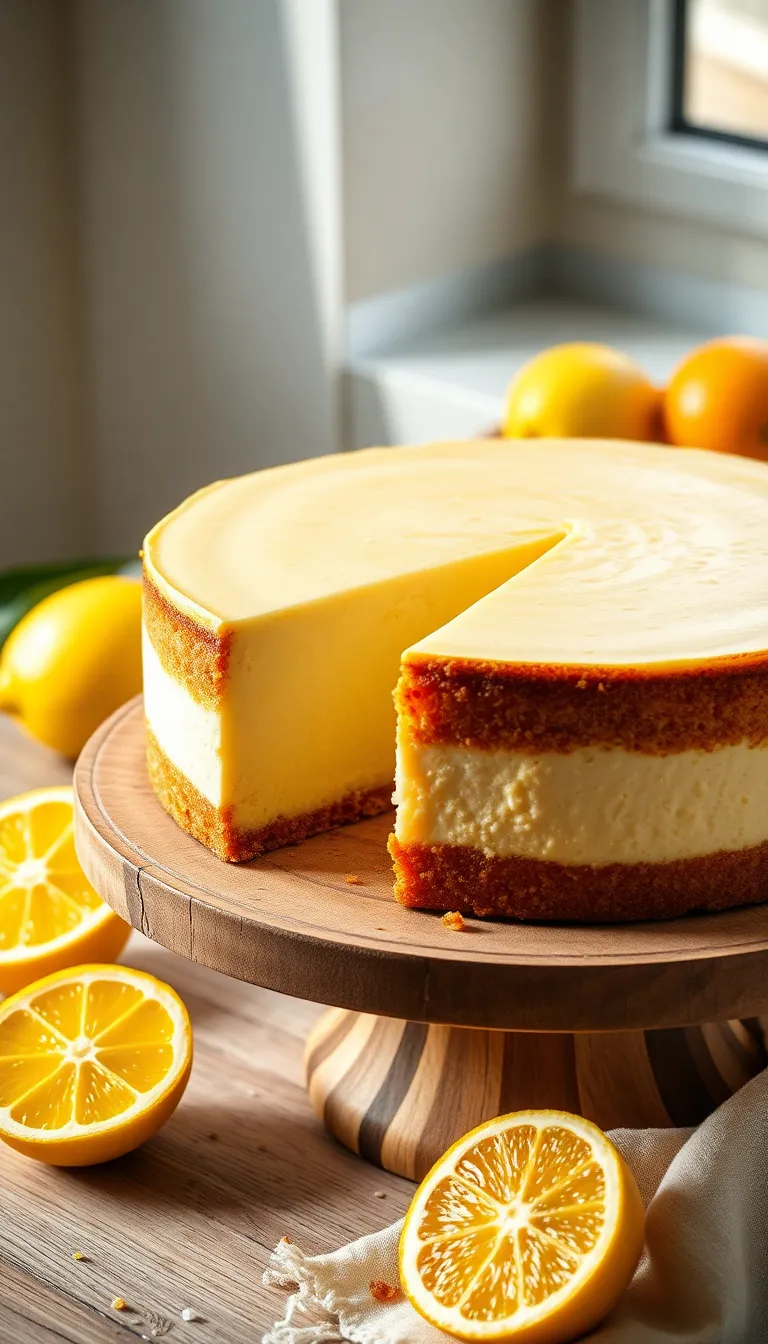
Citrus Cheesecake – Sweet, Tangy and Wonderfully Smooth

The first time I made a citrus cheesecake, I was surprised by how the bright tang of lemon and orange cut through the richness, creating a beautifully balanced dessert. This recipe delivers a wonderfully smooth texture paired with that sweet, zesty punch I now crave.
Citrus Cheesecake – Sweet, Tangy and Wonderfully Smooth
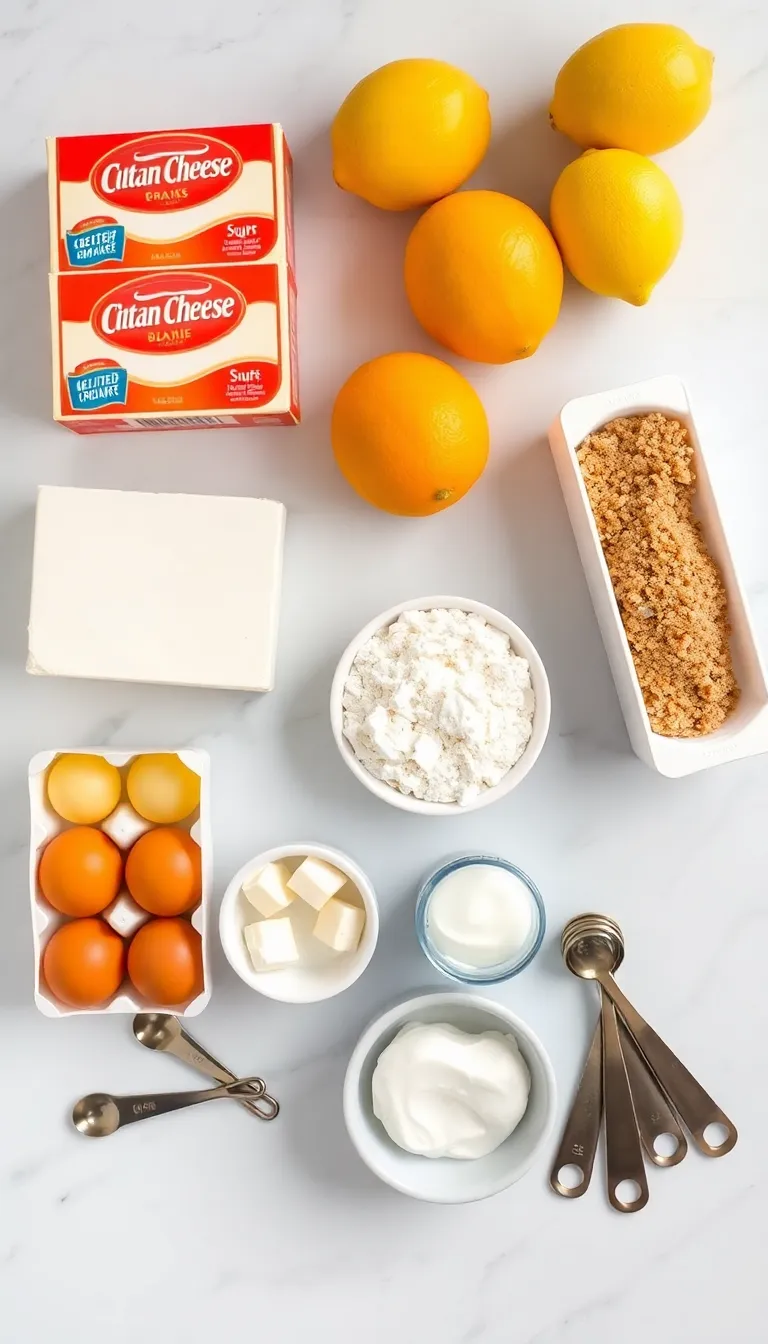
Ingredients
- 1 1/2 cups graham cracker crumbs
- 5 tablespoons unsalted butter, melted
- 1 tablespoon sugar
- 4 (8-ounce) packages cream cheese, softened
- 1 1/4 cups granulated sugar
- 4 large eggs, room temperature
- 1/2 cup sour cream, room temperature
- 1/4 cup freshly squeezed lemon juice
- 2 teaspoons lemon zest
- 1 teaspoon orange zest
- 1 teaspoon vanilla extract
- 1 tablespoon all-purpose flour
Instructions
- Preheat the oven to 325°F (163°C) and position a rack in the lower third of the oven; prepare a large roasting pan for the water bath.
- In a medium bowl, mix the graham cracker crumbs, melted butter, and sugar; press the mixture firmly into the bottom of a 9-inch springform pan to form an even crust.
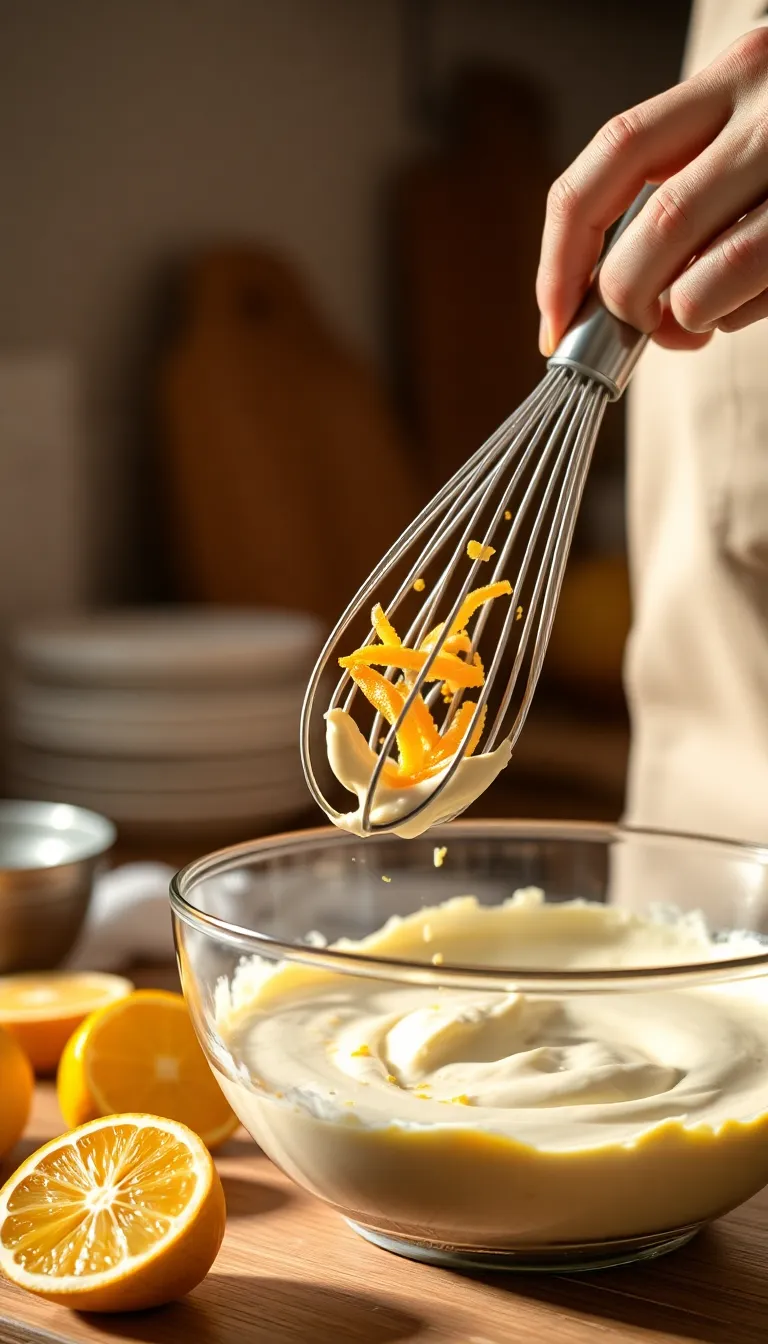
- In a large bowl, beat the softened cream cheese with an electric mixer on medium speed until smooth and creamy, scraping down the sides frequently to avoid lumps.
Key Takeaways
- Use room-temperature cream cheese for ultra-smooth batter
- Add citrus zest gradually to control tanginess
- Bake in a water bath to prevent cracks
- Chill overnight for best texture and flavor meld
Why This Recipe Works
I always recommend starting with room-temperature ingredients. It ensures the cream cheese mixes seamlessly without lumps, which is crucial for that silky texture. Plus, the balance of lemon and orange zest adds a natural brightness that makes each bite refreshing without overpowering sweetness.
Pro Tip: Always let cream cheese soften before mixing for the smoothest cheesecake
What Makes It Special
I love how the combination of citrus zest and juice elevates the classic cheesecake. The water bath during baking maintains moisture, preventing cracks and ensuring a creamy center. This technique has transformed my cheesecakes from pretty but prone to cracking into flawless desserts.
Fact: Water baths provide gentle, even cooking needed for creamy cheesecakes
My Secret Technique
I’ve found that chilling the cheesecake overnight is non-negotiable. It allows the flavors to meld and the texture to set completely, giving you that perfectly dense yet smooth mouthfeel. Skipping this step often leads to a runnier slice and muted citrus notes.
Insight: I always chill cheesecake overnight to achieve optimal texture and flavor
Ingredients
- 1 1/2 cups graham cracker crumbs
- 5 tablespoons unsalted butter, melted
- 1 tablespoon sugar
- 4 (8-ounce) packages cream cheese, softened
- 1 1/4 cups granulated sugar
- 4 large eggs, room temperature
- 1/2 cup sour cream, room temperature
- 1/4 cup freshly squeezed lemon juice
- 2 teaspoons lemon zest
- 1 teaspoon orange zest
- 1 teaspoon vanilla extract
- 1 tablespoon all-purpose flour
Instructions
- Preheat the oven to 325°F (163°C) and position a rack in the lower third of the oven; prepare a large roasting pan for the water bath.
- In a medium bowl, mix the graham cracker crumbs, melted butter, and sugar; press the mixture firmly into the bottom of a 9-inch springform pan to form an even crust.
- In a large bowl, beat the softened cream cheese with an electric mixer on medium speed until smooth and creamy, scraping down the sides frequently to avoid lumps.
- Gradually add the granulated sugar and beat until fully incorporated.
- Add the eggs one at a time, mixing just until blended after each addition to prevent aerating too much.
- Mix in sour cream, lemon juice, lemon zest, orange zest, vanilla extract, and flour until the batter is uniform; I always mix on low speed to keep it smooth but not overworked.
- Pour the batter over the prepared crust and smooth the top with a spatula.
- Wrap the bottom of the springform pan tightly with aluminum foil to prevent water from seeping in; place the pan inside the roasting pan and carefully pour hot water into the pan until it reaches halfway up the side of the springform.
- Bake for about 60 minutes, or until the edges are set but the center still jiggles slightly when gently shaken.
- Turn off the oven and leave the cheesecake inside with the door slightly open for 1 hour; this gradual cooling helps prevent cracks.
- Remove the pan from the water bath and cool completely at room temperature, then refrigerate uncovered overnight for the best texture and flavor.
- Run a knife around the edges before releasing the springform, then slice and serve chilled.
Ingredient Alternatives & Substitutions
- Use digestive biscuits instead of graham crackers for a different crust flavor — I found it pairs nicely with citrus
- Replace sour cream with Greek yogurt for a tangier finish — I tested this swap, and it adds a pleasant sharpness
- Swap orange zest with lime zest for a sharper citrus punch — I’ve made this variation for summer parties
- Use a gluten-free graham cracker alternative to make the crust gluten-free — works well with same butter ratio
- Substitute granulated sugar for coconut sugar for a slightly caramelized undertone — I enjoy this for richer flavor
Storage Instructions
- Store leftover cheesecake in an airtight container in the refrigerator for up to 5 days
- Wrap individual slices tightly in plastic wrap for easy grab-and-go servings
- Freeze whole cheesecake wrapped tightly in plastic and aluminum foil for up to 2 months; thaw overnight in the refrigerator before serving
- When freezing slices, wrap each piece well and place in a freezer-safe container to avoid freezer burn
Common Mistakes to Avoid
- Not softening cream cheese enough: I once ended up with lumpy batter that affected the texture
- Overmixing eggs into batter: I learned this causes cracks and a dense cake
- Skipping the water bath: I had a cheesecake crack and dry out without this step
- Rushing the cooling process: suddenly cooling can lead to cracks, which I experienced first-hand
- Not chilling overnight: cheesecakes often turn out too soft or bland otherwise
- Using too much citrus juice: I found it makes the batter curdle and affects baking
Frequently Asked Questions
Q: Can I use bottled lemon juice instead of fresh?
Ans: In my experience, fresh lemon juice provides a brighter, cleaner tang that really elevates the cheesecake, but if you’re in a pinch, bottled juice works fine—just reduce the quantity slightly to avoid over-acidifying.
Q: How can I tell when the cheesecake is done?
Ans: I always watch for the edges to be set and slightly puffed, while the center should still have a gentle jiggle; it will firm up as it cools and chills.
Q: Can I make this cheesecake ahead of time for a party?
Ans: Absolutely—I recommend making it the day before; chilling overnight enhances the flavors and ensures perfect slicing when serving.
Conclusion
I’m confident that this citrus cheesecake will become a favorite whenever you want a dessert that’s both bright and indulgent. Give the recipe a try—its creamy texture and perfect tang will surely impress your guests and satisfy your own cravings.