
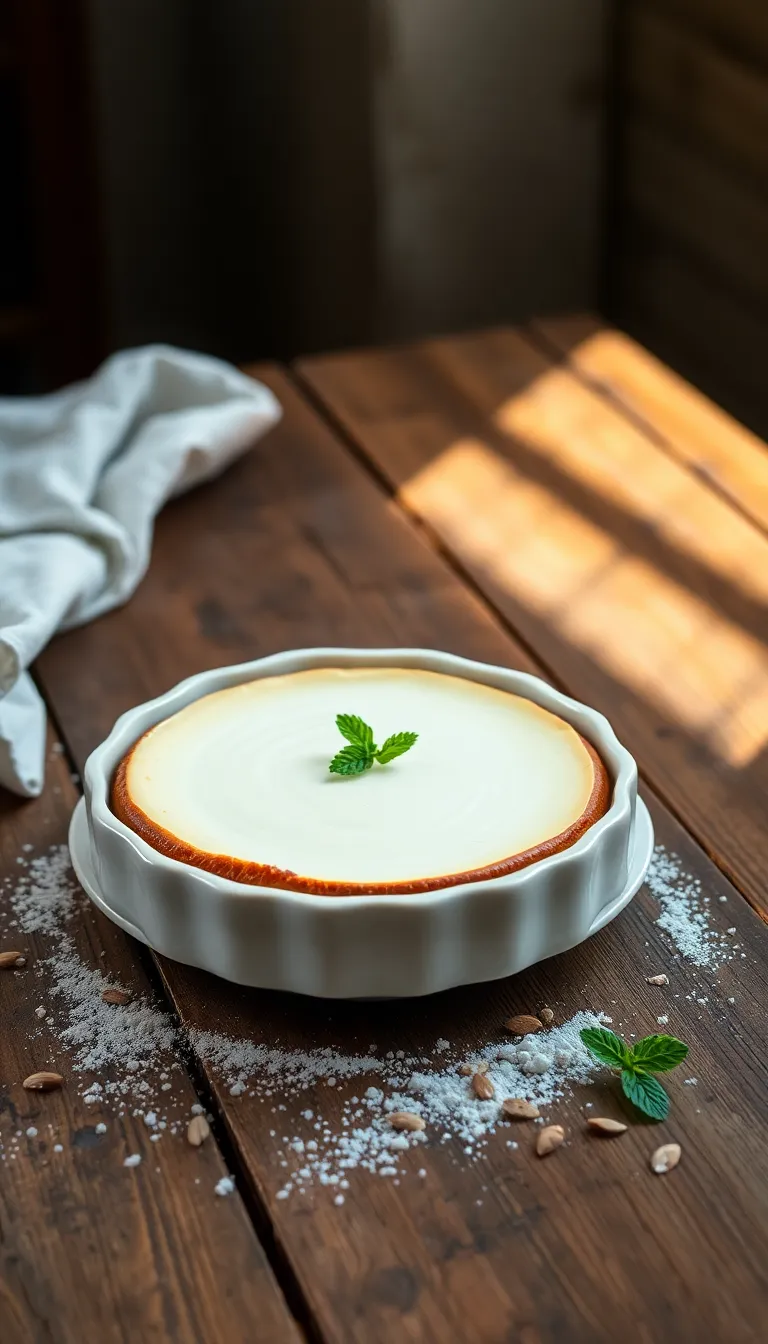
Low Carb Cheesecake With Greek Yogurt – A Better-For-You Twist on a Classic

When I first tried making low carb cheesecakes, they often felt either too dense or lacked that creamy tang I adore. This version using Greek yogurt struck the perfect balance, delivering a silky texture with just the right touch of tartness that elevates the classic cheesecake experience.
Low Carb Cheesecake With Greek Yogurt – A Better-For-You Twist on a Classic
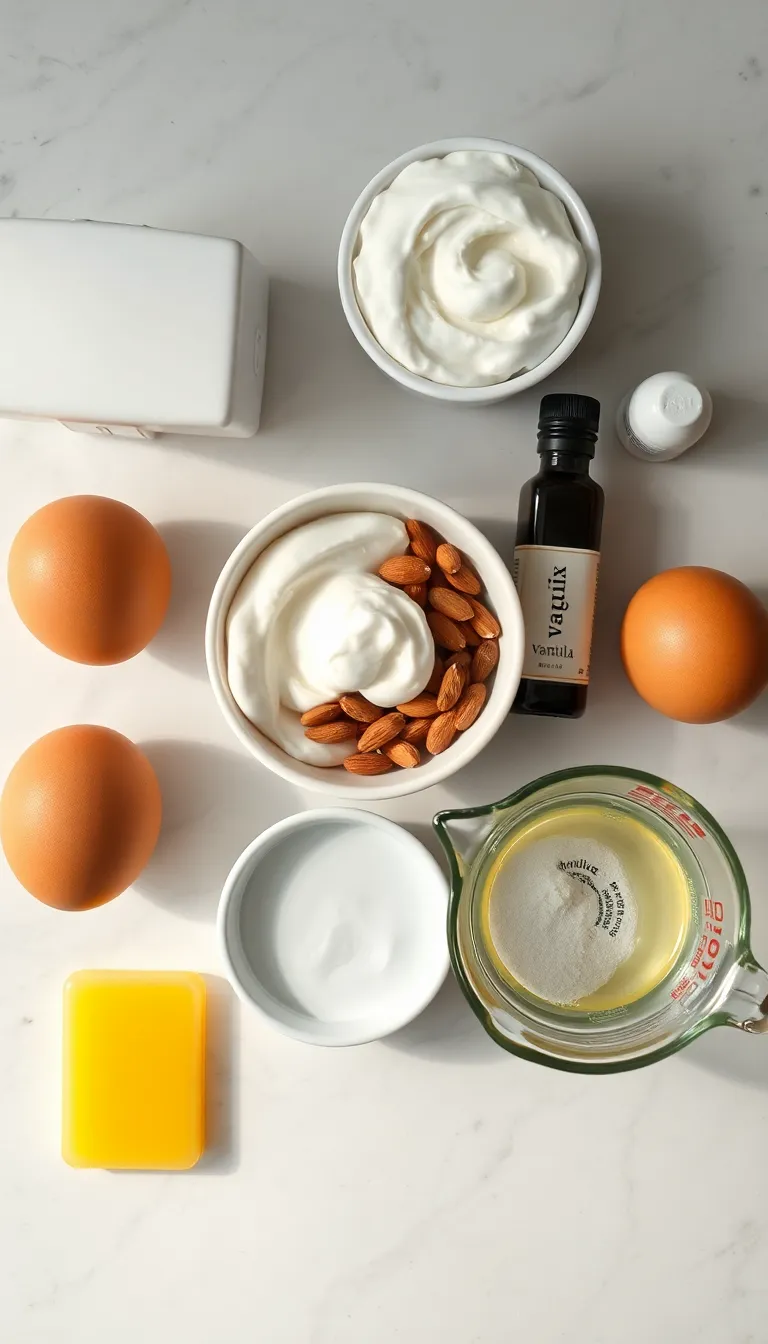
Ingredients
- 2 cups full-fat cream cheese, softened
- 1 cup full-fat Greek yogurt
- 3/4 cup granulated erythritol sweetener
- 3 large eggs
- 1 tsp vanilla extract
- 1 tbsp lemon juice
- 1 1/2 cups almond flour
- 1/4 cup unsalted butter, melted
- 2 tbsp powdered erythritol
- 1/4 tsp salt
Instructions
- Preheat the oven to 325°F (165°C) and grease a 9-inch springform pan; I find lining the bottom with parchment paper helps release cleanly
- In a medium bowl, combine almond flour, melted butter, powdered erythritol, and salt; press this mixture evenly into the pan to form the crust
- Bake the crust for 10 minutes until lightly golden, then set aside to cool
Key Takeaways
- Use full-fat Greek yogurt for creaminess and tang
- Choose a nut-based crust for low carb authenticity
- Bake at low temperature to prevent cracks
- Chill thoroughly for best texture and flavor
Why Greek Yogurt Makes a Difference
I always recommend using full-fat Greek yogurt because it adds a unique creaminess and subtle tang that cream cheese alone can’t provide. The yogurt lightens up the texture while boosting the protein, making this cheesecake feel indulgent without the carb overload.
Pro Tip: Incorporate the yogurt gently to preserve a smooth texture

Choosing the Perfect Low-Carb Crust
In my experience, a crust made from finely ground almonds and a touch of butter holds together beautifully and complements the creamy filling with its mild nuttiness. Avoid using flour or overly processed low carb mixes to keep it clean and flavorful.
Fact: Almond flour crusts add healthy fats and low carbs
Baking and Chilling Tips for Best Results
I’ve found that baking the cheesecake at a lower temperature prevents cracking and creates an even set. Cooling it gradually at room temperature before refrigerating helps avoid condensation, which keeps the texture perfect and the flavors clean.
Insight: I always let the cheesecake rest at room temp before chilling
Ingredients
- 2 cups full-fat cream cheese, softened
- 1 cup full-fat Greek yogurt
- 3/4 cup granulated erythritol sweetener
- 3 large eggs
- 1 tsp vanilla extract
- 1 tbsp lemon juice
- 1 1/2 cups almond flour
- 1/4 cup unsalted butter, melted
- 2 tbsp powdered erythritol
- 1/4 tsp salt
Instructions
- Preheat the oven to 325°F (165°C) and grease a 9-inch springform pan; I find lining the bottom with parchment paper helps release cleanly
- In a medium bowl, combine almond flour, melted butter, powdered erythritol, and salt; press this mixture evenly into the pan to form the crust
- Bake the crust for 10 minutes until lightly golden, then set aside to cool
- In a large bowl, beat the softened cream cheese and granulated erythritol until smooth and creamy; I use an electric mixer at medium speed for about 3 minutes
- Add Greek yogurt, eggs one at a time, vanilla extract, and lemon juice, mixing gently after each addition to maintain creaminess
- Pour the filling over the baked crust and smooth the top with a spatula
- Bake the cheesecake at 325°F for 45-50 minutes or until the edges are set but the center slightly jiggles; I check by gently shaking the pan
- Turn off the oven, crack the door open, and let the cheesecake cool inside for one hour to reduce cracking
- Remove from oven and cool completely to room temperature before refrigerating for at least 4 hours or overnight
- Release the springform pan carefully before slicing; I use a hot knife dipped in water for clean cuts
Ingredient Alternatives & Substitutions
- Replace almond flour with crushed pecans for a different nutty flavor — I’ve tried this with great results
- Use coconut oil instead of butter for a dairy-free crust — it adds a subtle coconut aroma
- Swap erythritol for monk fruit sweetener if you prefer a milder sweetness — I often do this for variety
- Try adding a teaspoon of orange zest to the filling for a citrus twist — I found it brightens the flavor beautifully
- For a thicker crust, increase almond flour to 2 cups and butter by 1/4 cup — I recommend this if you like a more substantial base
Storage Instructions
- Store leftovers in an airtight container in the refrigerator for up to 5 days
- Freeze individual slices wrapped well in plastic wrap and foil for up to 2 months
- Thaw frozen cheesecake overnight in the refrigerator before serving for best texture
- Avoid storing at room temperature more than 2 hours to keep freshness and safety
Common Mistakes to Avoid
- Overmixing the filling: I learned this the hard way when the cheesecake became dense instead of silky smooth
- Baking at too high temperature: my first attempts cracked badly before I lowered the heat
- Not letting the cheesecake cool gradually: skipping this caused condensation and a soggy crust once refrigerated
- Using low-fat Greek yogurt: it thinned the texture and reduced richness in my tests
- Pressing the crust unevenly: this made slicing tricky and the base less stable for me
- Cutting the cheesecake too soon: I always wait to prevent it from falling apart
Frequently Asked Questions
Q: Can I use non-fat Greek yogurt instead of full-fat?
Ans: I tried using non-fat Greek yogurt and noticed the cheesecake was less creamy and had a slightly grainy texture, so I recommend sticking with full-fat for the best results.
Q: How do I prevent the cheesecake from cracking on top?
Ans: In my experience, baking at a lower temperature and allowing the cheesecake to cool gradually in the oven with the door ajar really helps avoid cracks.
Q: Is it necessary to use erythritol, or can I use regular sugar?
Ans: I’ve tested this with regular sugar; it works well but obviously adds carbs. If you’re watching carbs, erythritol keeps it guilt-free without sacrificing sweetness.
Conclusion
I encourage you to try this low carb cheesecake with Greek yogurt—it’s a refreshing take that balances richness with lightness perfectly. With just a few simple adjustments to the classic, you’ll enjoy a dessert that satisfies your cravings without the carb overload.