
Oat & Yogurt Sandwich Bread – Simple Ingredients, Delicious Results
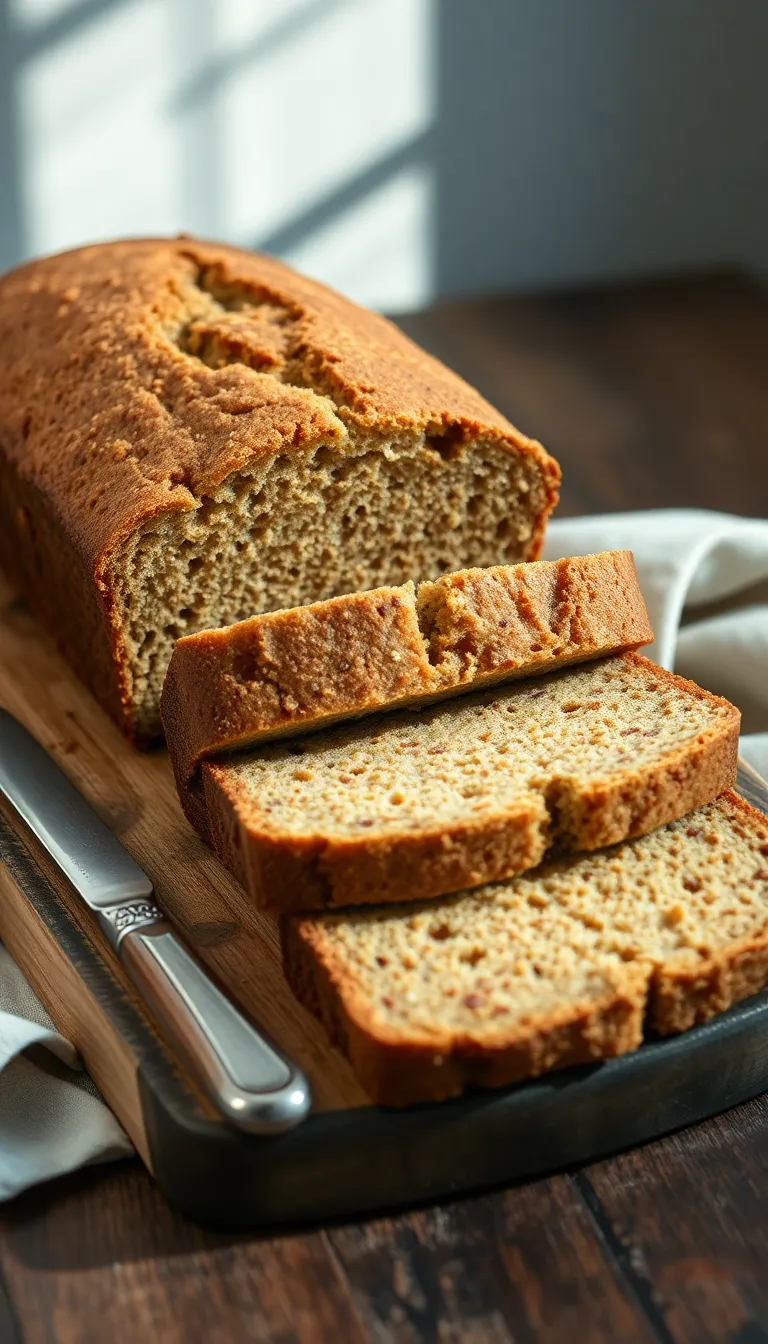
What struck me about this Oat & Yogurt Sandwich Bread the first time I tried it was its perfect balance of hearty texture and tender crumb. The oats lend a subtle nuttiness while yogurt keeps it moist without heaviness—something I hadn’t experienced in sandwich breads before.
Oat & Yogurt Sandwich Bread – Simple Ingredients, Delicious Results

Ingredients
- 3 cups all-purpose flour
- 1 cup rolled oats, plus 1/4 cup reserved for topping
- 1 tablespoon active dry yeast
- 1 1/2 teaspoons salt
- 1 cup full-fat Greek yogurt
- 3/4 cup warm water (about 110°F)
- 1 tablespoon honey
- 2 tablespoons unsalted butter, melted
Instructions
- In a small bowl, combine warm water, honey, and yeast; let sit 5-10 minutes until foamy to activate the yeast — I always check for bubbles to ensure my yeast is alive
- While yeast activates, soak 1 cup oats in 1/2 cup warm water for 10 minutes to soften; drain any excess water
- In a large mixing bowl, whisk together the flour, salt, and soaked oats
Key Takeaways
- Use Greek yogurt for the best moisture and tang
- Soak oats slightly to prevent dryness
- Knead dough until smooth but avoid overworking
- Let dough rise until doubled for a soft crumb
Why Yogurt Makes a Difference
I’ve noticed that yogurt not only adds moisture but also tenderizes the crumb because of its acidity. This results in bread that stays fresh longer and has a subtle tang that complements the earthiness of oats. I always recommend Greek yogurt for a thicker dough and better rise.
Pro Tip: Use full-fat Greek yogurt to maximize moisture and flavor

The Role of Oats in Texture
Oats bring a unique texture to this bread, making it more substantial than standard sandwich loaves. I’ve found that soaking them briefly prevents them from stealing moisture from the dough, which keeps the crumb tender and soft. This bread turns out heartier but never dry or crumbly.
Fact: Soaking oats prevents them from drawing moisture from the dough
My Approach to Kneading and Rising
I always knead the dough just enough to get a smooth, elastic texture without overworking it, which can result in a tougher bread. And by allowing the dough to rise until doubled rather than rushing it, I get a light yet chewy crumb that’s perfect for sandwiches.
Insight: I prioritize gentle kneading and patient rising for ideal texture
Ingredients
- 3 cups all-purpose flour
- 1 cup rolled oats, plus 1/4 cup reserved for topping
- 1 tablespoon active dry yeast
- 1 1/2 teaspoons salt
- 1 cup full-fat Greek yogurt
- 3/4 cup warm water (about 110°F)
- 1 tablespoon honey
- 2 tablespoons unsalted butter, melted
Instructions
- In a small bowl, combine warm water, honey, and yeast; let sit 5-10 minutes until foamy to activate the yeast — I always check for bubbles to ensure my yeast is alive
- While yeast activates, soak 1 cup oats in 1/2 cup warm water for 10 minutes to soften; drain any excess water
- In a large mixing bowl, whisk together the flour, salt, and soaked oats
- Add the yogurt, melted butter, and yeast mixture to the dry ingredients; stir with a wooden spoon until the dough starts coming together
- Turn the dough onto a lightly floured surface and knead gently for about 8 minutes until smooth and elastic — I stop kneading as soon as the dough holds its shape but remains soft
- Place the dough in a lightly oiled bowl, cover with a clean damp towel, and let rise in a warm place until doubled in size, about 1 to 1.5 hours
- Punch down the dough and shape it into a loaf; place it into a greased 9×5-inch loaf pan
- Brush the top of the loaf with a little water and sprinkle reserved oats evenly over it
- Cover and let rise again for 30-45 minutes until it has puffed visibly above the pan edges
- Preheat oven to 375°F; bake the loaf for 33-35 minutes until golden brown and hollow-sounding when tapped
- Let the bread cool completely in the pan on a wire rack before slicing — this step is vital to avoid a gummy crumb
Ingredient Alternatives & Substitutions
- Replace Greek yogurt with dairy-free coconut yogurt for a vegan option — I tested this and it retains moisture well
- Use whole wheat flour in place of all-purpose for a nuttier flavor and denser texture
- Swap honey for maple syrup if preferred; I find it adds a subtle earthiness
- Substitute butter with olive oil for a slightly different crumb and richer flavor
- Add a teaspoon of cinnamon or cardamom for a spiced version that pairs beautifully with oat flavor
Storage Instructions
- Store cooled bread in a bread box or loosely wrapped in a cotton towel for up to 3 days
- Keep bread in an airtight container or plastic bag to maintain softness but avoid condensation
- Slice and freeze bread in zip-top bags for up to 3 months; thaw slices at room temperature before toasting
- Refresh slightly stale bread by warming it in a 350°F oven for 5-7 minutes to revive crust crispness
Common Mistakes to Avoid
- Using cold yogurt straight from the fridge can slow down yeast activity; I always warm it slightly
- Skipping the oat soak makes the bread dry; I learned this when my loaf turned crumbly
- Overkneading leads to a tough crumb rather than soft; I used to make this mistake often
- Not letting the dough rise enough causes dense bread; patience made a big difference for me
- Baking at too high a temperature burns the crust before the inside cooks; I now always check oven temps carefully
Frequently Asked Questions
Q: Can I use quick oats instead of rolled oats in this bread?
Ans: I recommend sticking with rolled oats because they provide better texture and soak more evenly; quick oats can make the crumb mushy from my experience.
Q: What if I don’t have Greek yogurt on hand? Can I use regular yogurt?
Ans: You can substitute with regular plain yogurt, but I find Greek yogurt gives the best structure and tang since it’s thicker and less watery.
Q: Can I make this bread in a bread machine?
Ans: I prefer making this by hand for control over texture, but you can try adding ingredients to your machine—just use the dough cycle and then bake in a conventional oven for best results.
Conclusion
If you’re looking for sandwich bread that’s both wholesome and delightfully soft, this Oat & Yogurt Sandwich Bread is a winner in my kitchen. I encourage you to try it—you’ll love its satisfying texture and subtle flavors, perfect for everyday meals.