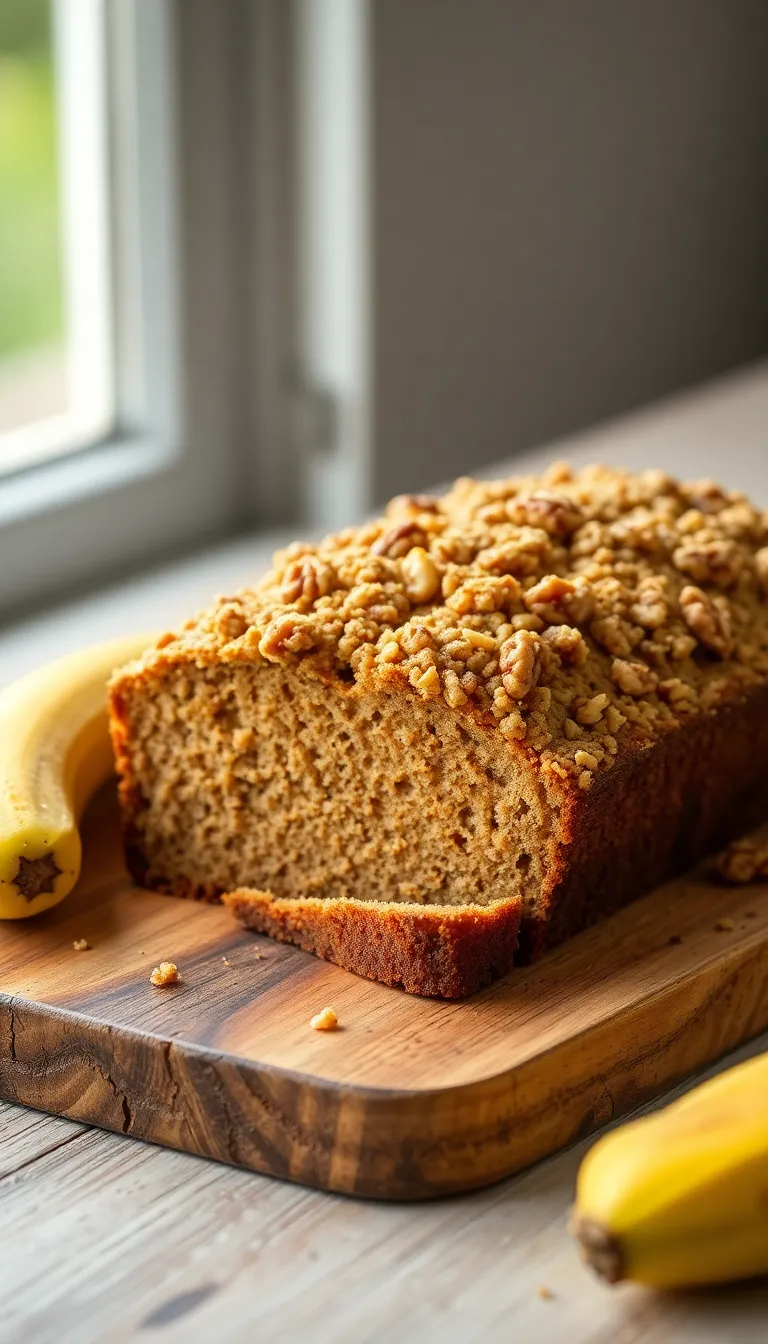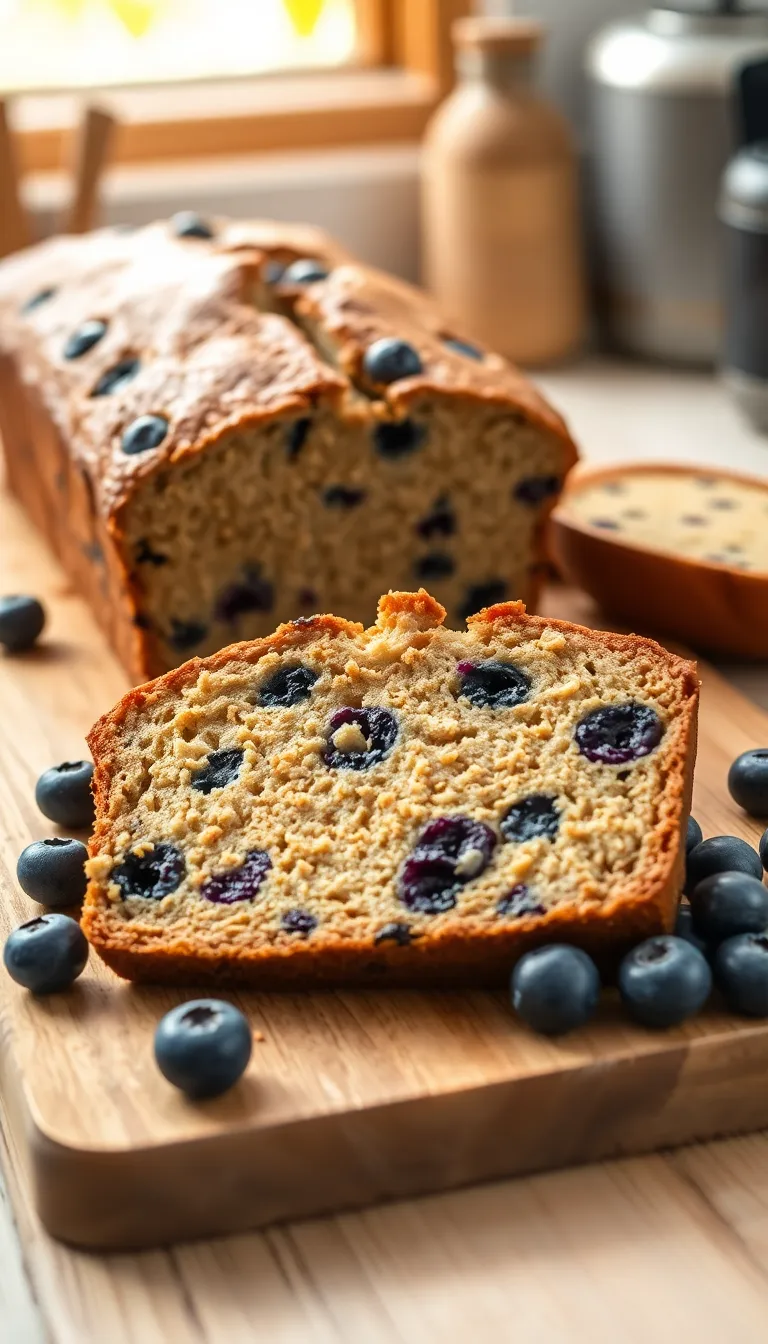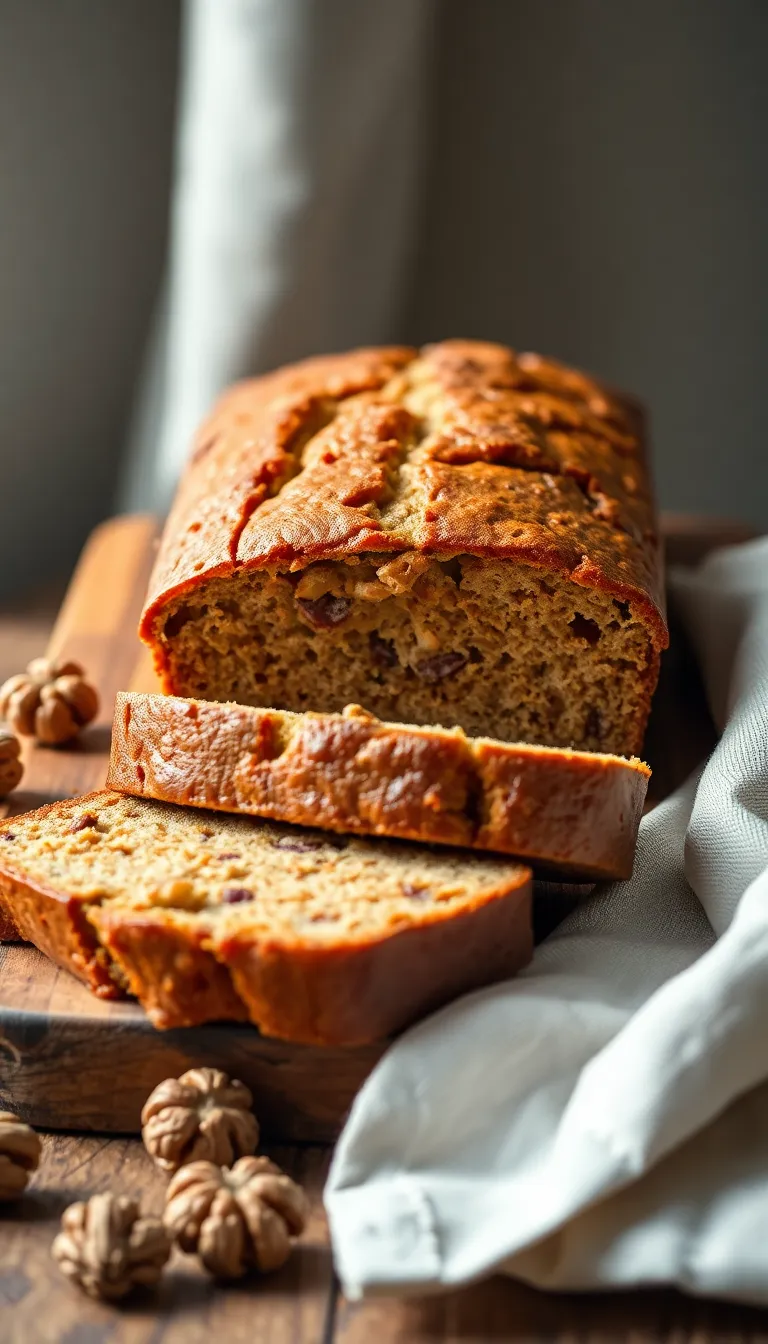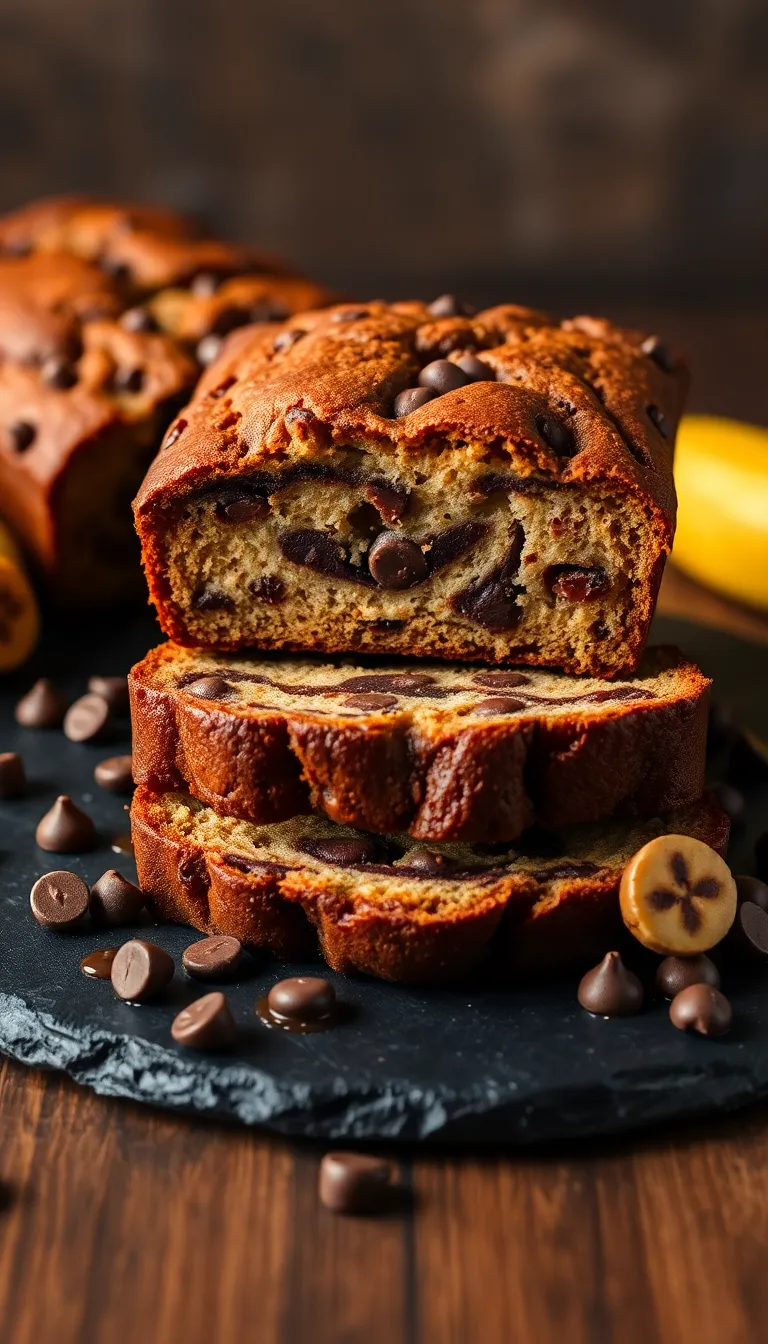

Buckwheat Banana Bread: The Gluten-Free Game-Changer

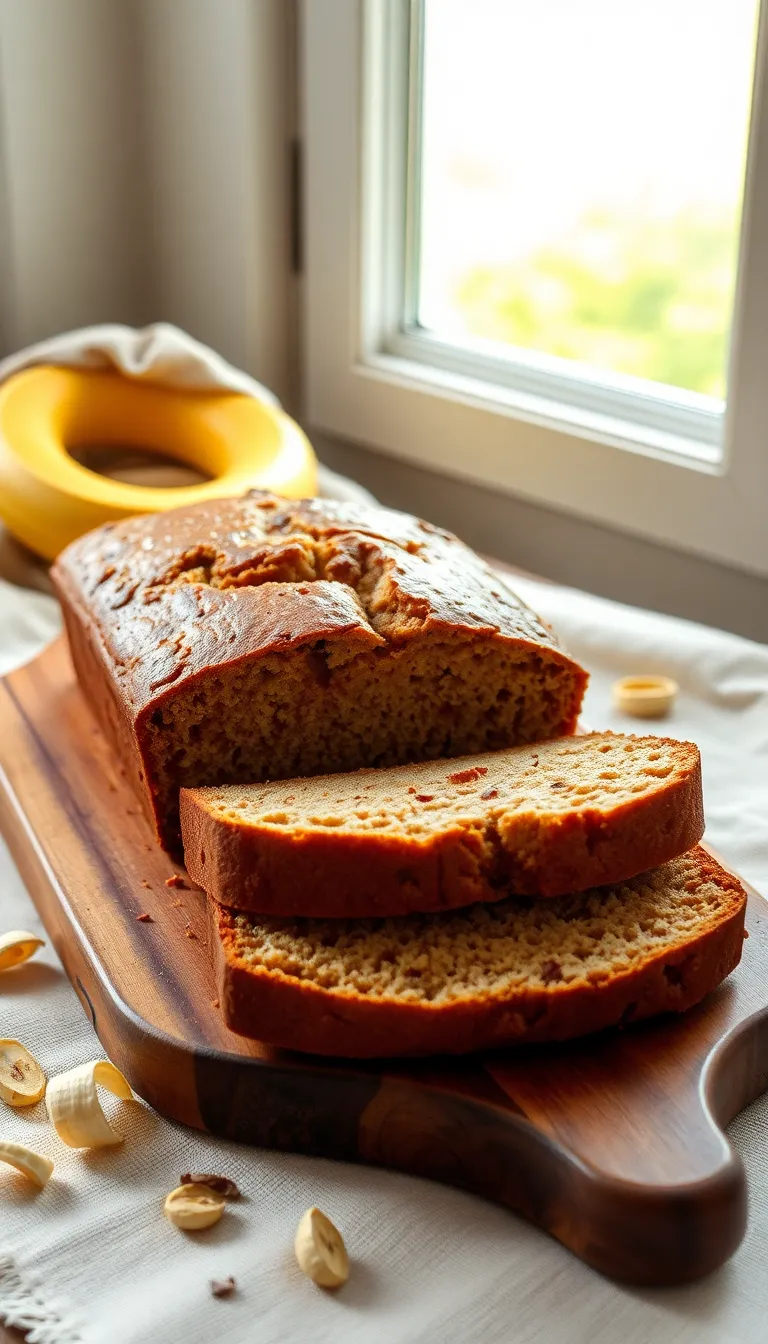
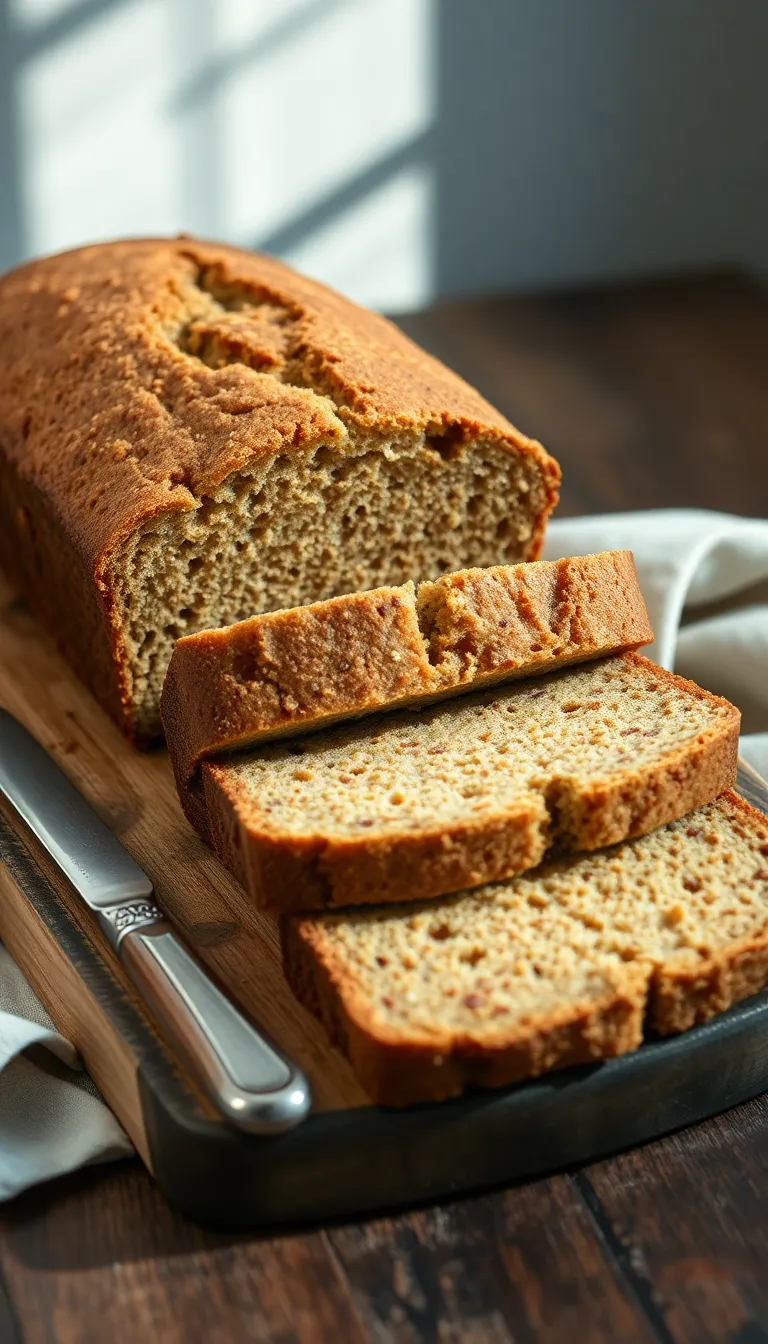
When I first switched to gluten-free baking, I was frustrated by the crumbly, bland banana breads I encountered. Discovering buckwheat flour changed everything for me—the bread is moist, hearty, and has a rich, nutty flavor that pairs beautifully with ripe bananas.
Buckwheat Banana Bread: The Gluten-Free Game-Changer
Ingredients
- 3 very ripe bananas, mashed (about 1 1/2 cups)
- 2 cups buckwheat flour
- 1/2 cup almond flour
- 3/4 cup coconut sugar
- 2 large eggs, room temperature
- 1/4 cup melted coconut oil
- 1 teaspoon baking soda
- 1/2 teaspoon baking powder
- 1/4 teaspoon salt
- 1 teaspoon vanilla extract
- 1 tablespoon apple cider vinegar
- 1/2 teaspoon ground cinnamon
Instructions
- Preheat your oven to 350°F (175°C) and grease a 9×5-inch loaf pan lightly; I find a silicone brush makes this quick and even.
- In a large bowl, mash the very ripe bananas until smooth, then whisk in eggs, melted coconut oil, vanilla extract, and apple cider vinegar until combined.
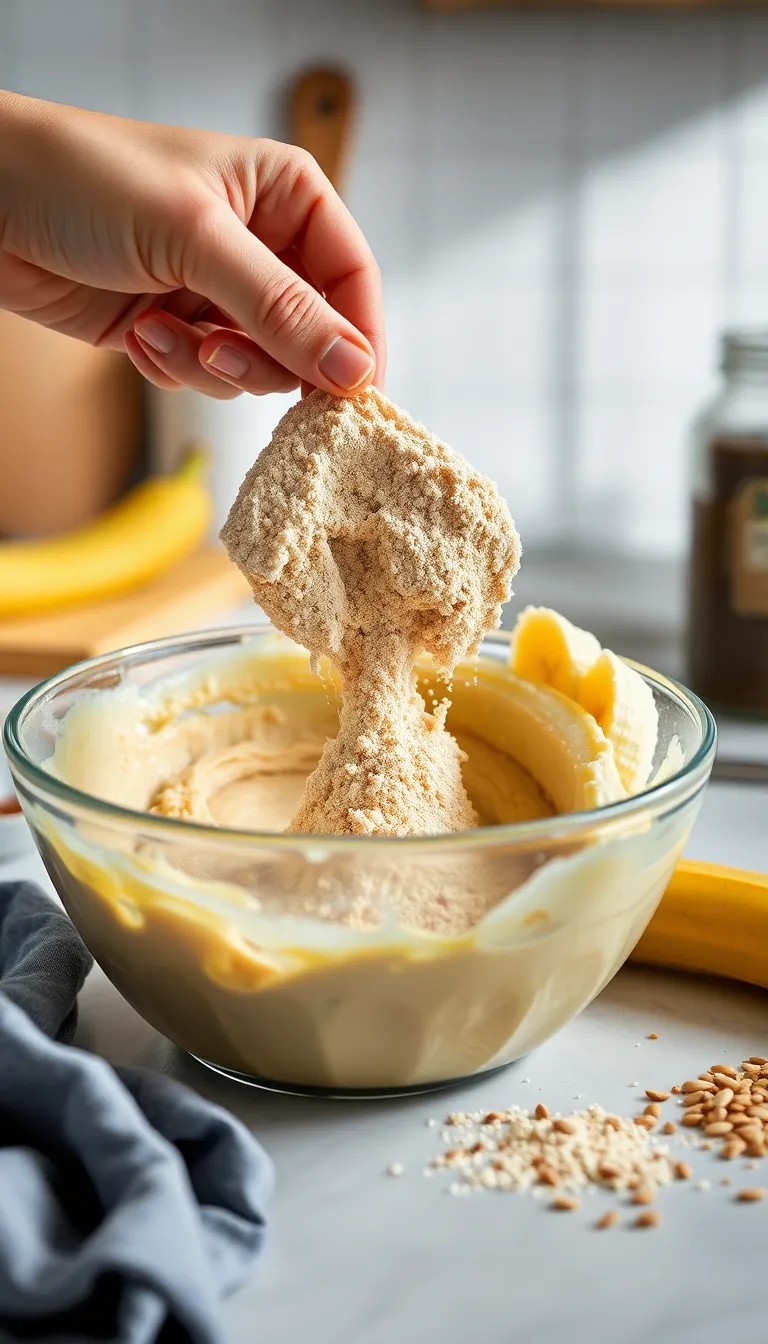
- In another bowl, sift together the buckwheat flour, almond flour, baking soda, baking powder, salt, coconut sugar, and cinnamon to remove any clumps; I always sift to ensure a smooth batter.
Key Takeaways
- Use very ripe bananas for natural sweetness
- Incorporate buckwheat flour for nutrient richness and texture
- Avoid overmixing to keep bread tender
- Add a touch of apple cider vinegar for balanced rise
Why Buckwheat Flour Transforms Banana Bread
I always recommend buckwheat flour for gluten-free baking because it adds a depth of flavor and an ideal crumb structure. Unlike typical gluten-free flours, buckwheat lends a subtle earthiness and maintains moisture brilliantly in banana bread.
Pro Tip: Sift buckwheat flour before mixing to avoid lumps
The Role of Apple Cider Vinegar
In my experience, a small splash of apple cider vinegar activates the baking soda more effectively, helping the bread rise evenly while offsetting sweetness. This little trick keeps the crumb light and prevents dense patches.
Fact: Acidic vinegar reacts with baking soda for better leavening
Balancing Texture and Sweetness
I found that using overripe bananas is the foolproof way to naturally sweeten the bread without relying on excess sugar. Also, gentle mixing preserves air pockets, giving the bread a tender crumb I really love.
Insight: I always trust ripe bananas to sweeten and moisten my bread naturally
Ingredients
- 3 very ripe bananas, mashed (about 1 1/2 cups)
- 2 cups buckwheat flour
- 1/2 cup almond flour
- 3/4 cup coconut sugar
- 2 large eggs, room temperature
- 1/4 cup melted coconut oil
- 1 teaspoon baking soda
- 1/2 teaspoon baking powder
- 1/4 teaspoon salt
- 1 teaspoon vanilla extract
- 1 tablespoon apple cider vinegar
- 1/2 teaspoon ground cinnamon
Instructions
- Preheat your oven to 350°F (175°C) and grease a 9×5-inch loaf pan lightly; I find a silicone brush makes this quick and even.
- In a large bowl, mash the very ripe bananas until smooth, then whisk in eggs, melted coconut oil, vanilla extract, and apple cider vinegar until combined.
- In another bowl, sift together the buckwheat flour, almond flour, baking soda, baking powder, salt, coconut sugar, and cinnamon to remove any clumps; I always sift to ensure a smooth batter.
- Gently fold the dry ingredients into the wet mixture with a spatula, mixing just until incorporated; overmixing can toughen the bread, so I stop as soon as there are no visible streaks.
- Pour the batter into your prepared loaf pan, smoothing the top with a spatula for even rising.
- Bake for 45-50 minutes, checking at 45 minutes with a toothpick; it should come out clean or with a few moist crumbs but no wet batter. I usually cover loosely with foil if the top browns too fast.
- Let the banana bread cool in the pan for 15 minutes before transferring it to a wire rack to cool completely; this helps to set the texture and makes slicing easier.
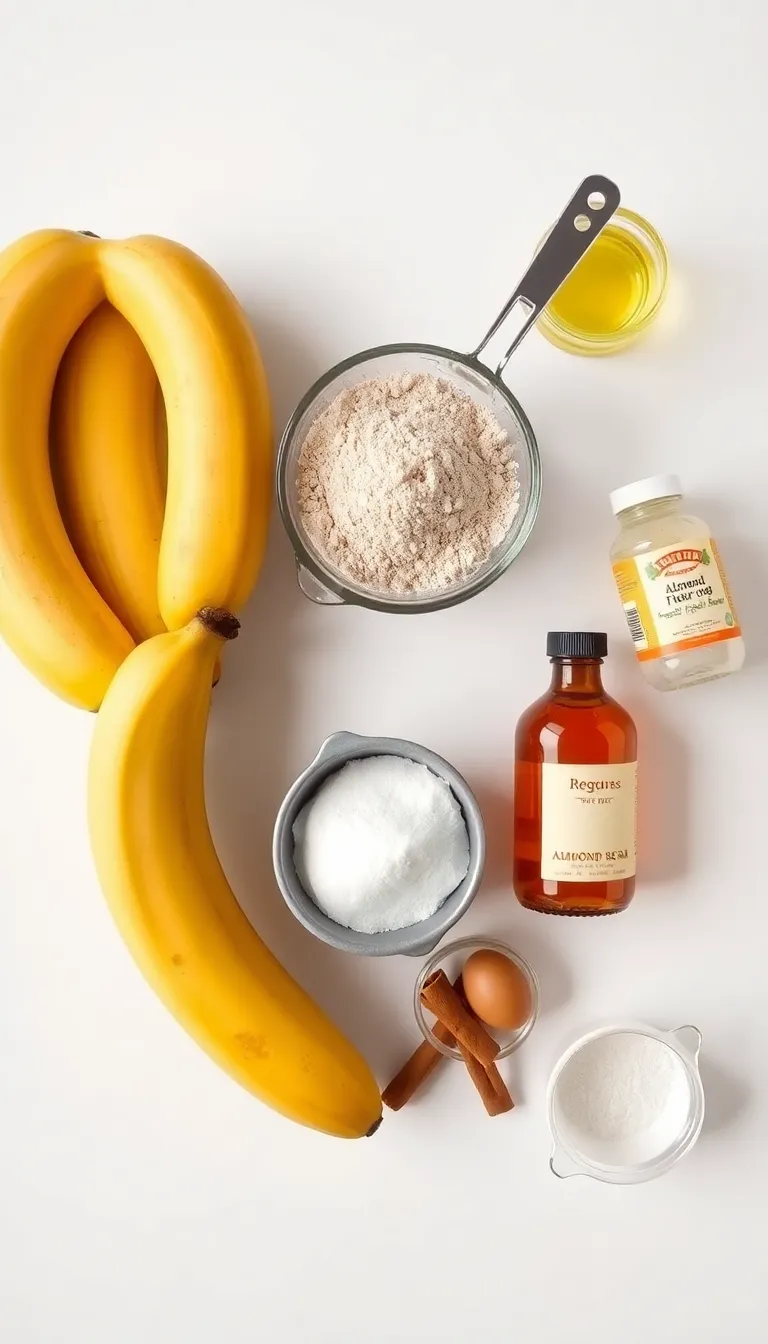
Ingredient Alternatives & Substitutions
- Substitute almond flour with oat flour for a milder nuttiness — I recommend adjusting the liquid slightly
- Replace coconut sugar with maple syrup for a more caramelized flavor — reduce other liquids by 2 tablespoons when I do this
- Use avocado oil instead of coconut oil for a neutral taste — I’ve tested this and it maintains moistness well
- Swap buckwheat flour with sorghum flour for a different gluten-free grain twist — it alters texture slightly but still yields a tender crumb
- Add chopped walnuts or pecans for added crunch — I like 1/2 cup mixed in gently into the batter
Storage Instructions
- Store banana bread in an airtight container at room temperature for up to 3 days to preserve moisture.
- Wrap cooled bread tightly in plastic wrap and refrigerate for up to a week, which I find helps prolong freshness without drying.
- For longer storage, freeze banana bread slices in a zip-top bag for up to 3 months, thawed at room temperature when needed.
- Avoid storing banana bread uncovered as it dries out quickly; I always keep it well wrapped.
Common Mistakes to Avoid
- Using underripe bananas: I learned the bread is less sweet and moist if bananas aren’t ripe enough.
- Overmixing batter: I once ended up with a dense loaf because I kept stirring too much after adding dry ingredients.
- Not properly measuring flours: I had inconsistent results until I started spooning and leveling flours rather than scooping.
- Skipping the apple cider vinegar: I noticed the rise and crumb suffered without this acidic addition.
- Baking at too high a temperature: I’ve burned tops before, so I recommend tenting with foil if browning happens too fast.
- Cutting bread before it’s fully cooled: I discovered it can crumble or squish — patience is key.
Frequently Asked Questions
Q: Can I make this banana bread nut-free?
Ans: Yes, I substitute almond flour with additional buckwheat flour or a certified nut-free gluten-free blend to keep the bread allergy-friendly while maintaining structure.
Q: How ripe should the bananas be for best results?
Ans: I always use bananas that are heavily spotted or even nearly black-skinned because their sweetness and softness really boost the moisture and flavor.
Q: Is this recipe suitable for vegan diets?
Ans: I haven’t tested a fully vegan version myself, but I imagine flax or chia egg replacements could work in place of eggs, and choosing a vegan oil like coconut keeps it plant-based.
Conclusion
I encourage you to try this buckwheat banana bread whether you’re gluten-free or simply curious about hearty, unique flavors. It’s a reliable, delicious way to enjoy homemade bread that feels nourishing and indulgent. I’m confident this recipe will become a favorite on your baking roster.