

Gluten-Free Seeded Bread – Wholesome Flavor in Every Slice

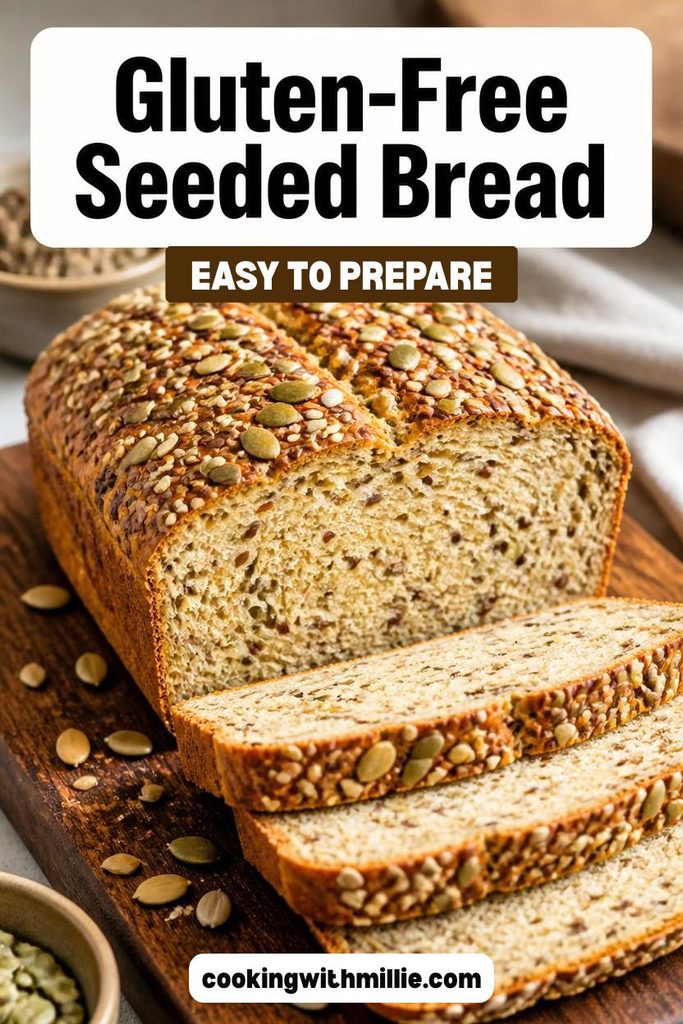
When I first tried baking gluten-free bread, I was often disappointed by the dense texture or dry crumb. But this seeded bread surprised me with its moist, hearty crumb and satisfying crunch — all without the usual heaviness gluten-free loaves carry.
Gluten-Free Seeded Bread – Wholesome Flavor in Every Slice
Ingredients
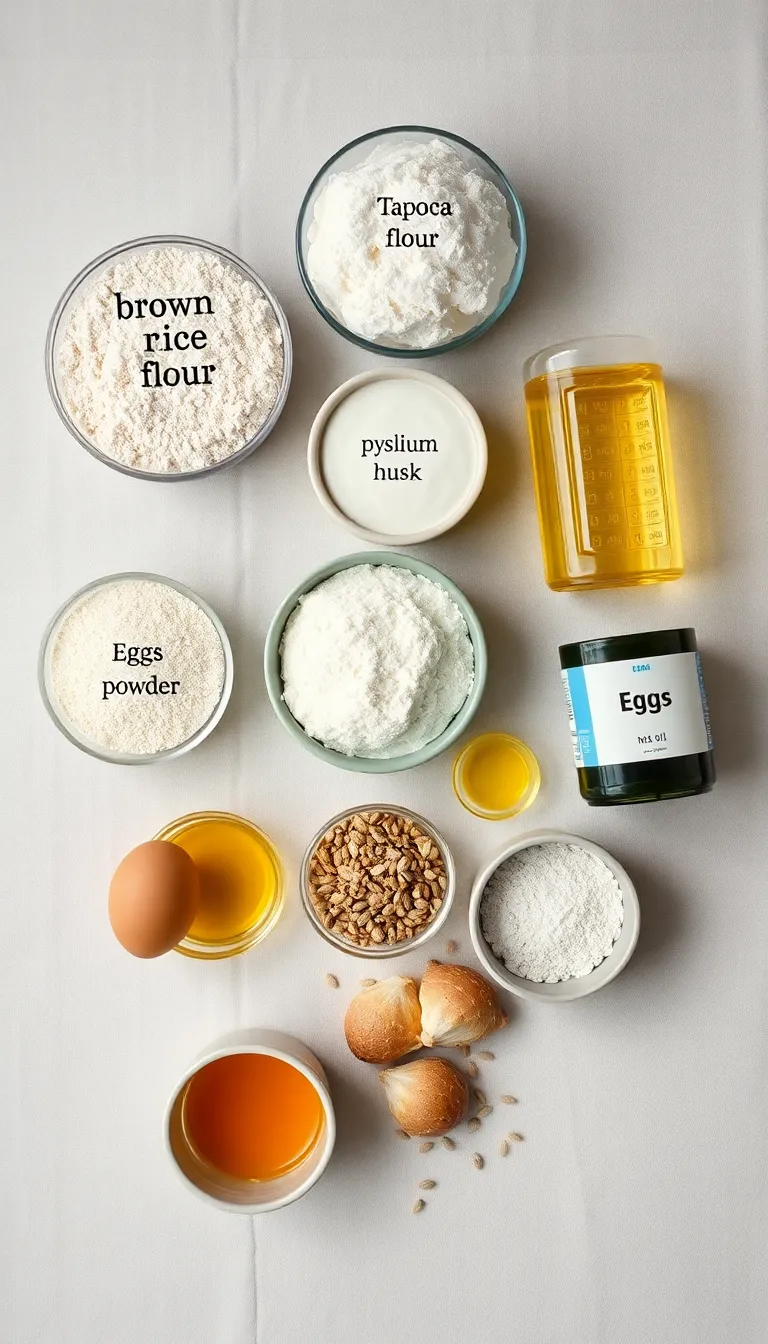
- 1 1/2 cups brown rice flour
- 1 cup tapioca flour
- 2 tablespoons psyllium husk powder
- 1 tablespoon baking powder
- 1 1/2 teaspoons salt
- 1 tablespoon sugar
- 1 cup warm water
- 2 large eggs
- 1/4 cup olive oil
- 1/3 cup mixed seeds (pumpkin, sunflower, flax), divided
- 1 tablespoon apple cider vinegar
Instructions
- Preheat your oven to 375°F (190°C) and grease a 9×5 inch loaf pan; I like to line it with parchment paper for easy removal.
- Toast half of the seeds in a dry skillet over medium heat for 3-4 minutes until fragrant, then set aside to cool.
- In a large bowl, whisk together the brown rice flour, tapioca flour, psyllium husk, baking powder, salt, sugar, and half the toasted seeds.
Save For Later
Key Takeaways
- Use a blend of gluten-free flours for better texture
- Incorporate seeds both inside and on top for layered crunch
- Let the dough rise fully for optimal fluffiness
- Bake in a covered loaf pan to trap moisture
Why This Recipe Works
I always recommend blending different gluten-free flours to mimic the texture gluten provides naturally. The mix of brown rice and tapioca flours creates a tender crumb, while psyllium husk acts like gluten to hold everything together. Adding a variety of seeds boosts flavor and crunch, making every bite interesting.
Pro Tip: Mix multiple gluten-free flours to improve bread texture
The Role of Psyllium Husk
In my experience, psyllium husk is the secret weapon in gluten-free baking. It forms a gel when mixed with water, which traps air bubbles and helps the bread to rise and keep moisture. This ingredient is what turns this loaf from crumbly to satisfyingly tender.
Fact: Psyllium husk mimics gluten’s binding properties in gluten-free bread
Seed Selection and Toasting
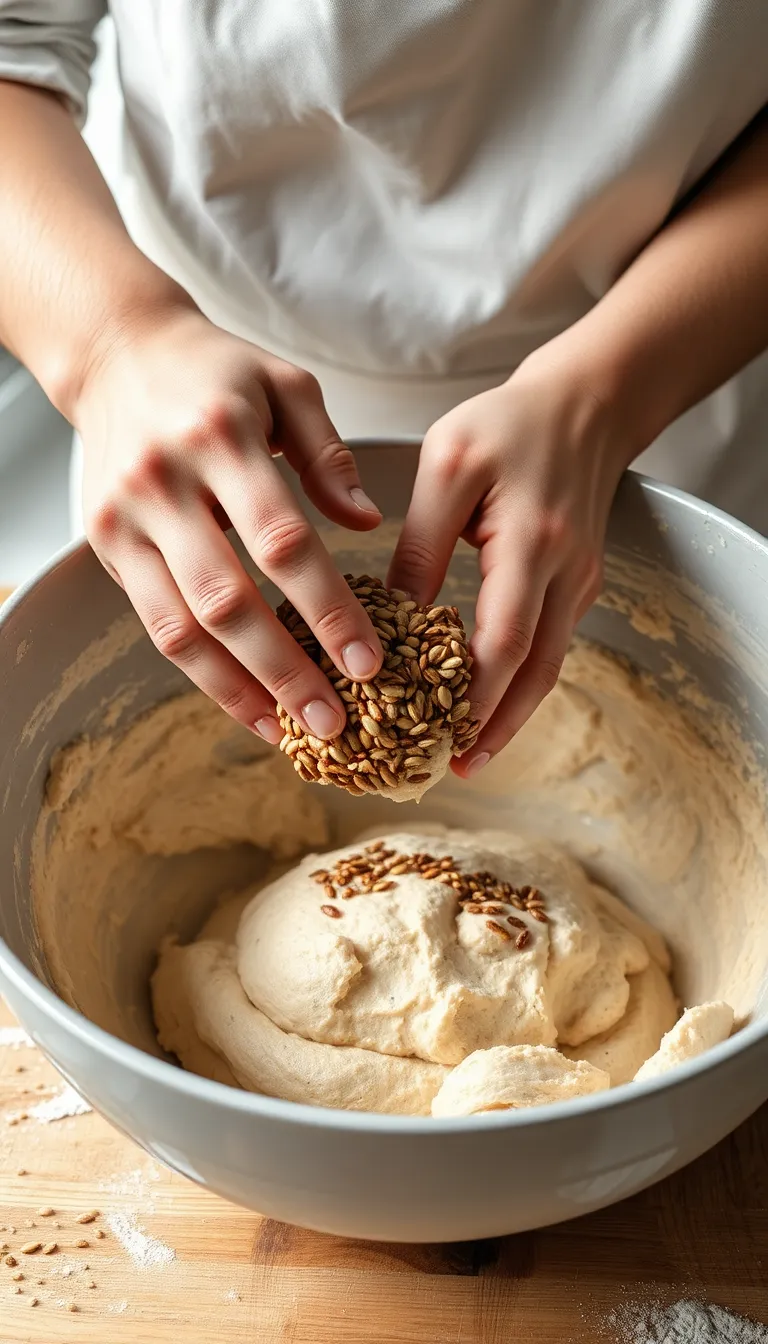
I like to lightly toast the sunflower, pumpkin, and flax seeds before mixing them in; it enhances their nutty flavor and adds depth to the loaf. I’ve found that tossing some seeds on top before baking also gives the crust a pleasant texture that’s worth the extra step.
Insight: I toast seeds first to boost their flavor and crunch
Ingredients
- 1 1/2 cups brown rice flour
- 1 cup tapioca flour
- 2 tablespoons psyllium husk powder
- 1 tablespoon baking powder
- 1 1/2 teaspoons salt
- 1 tablespoon sugar
- 1 cup warm water
- 2 large eggs
- 1/4 cup olive oil
- 1/3 cup mixed seeds (pumpkin, sunflower, flax), divided
- 1 tablespoon apple cider vinegar
Instructions
- Preheat your oven to 375°F (190°C) and grease a 9×5 inch loaf pan; I like to line it with parchment paper for easy removal.
- Toast half of the seeds in a dry skillet over medium heat for 3-4 minutes until fragrant, then set aside to cool.
- In a large bowl, whisk together the brown rice flour, tapioca flour, psyllium husk, baking powder, salt, sugar, and half the toasted seeds.
- In a separate bowl, beat the eggs, then add warm water, olive oil, and apple cider vinegar; whisk to combine.
- Pour the wet ingredients into the dry mixture and stir with a sturdy spoon until a sticky dough forms; I find this dough is thicker than traditional bread dough but don’t be tempted to add more liquid.
- Fold the remaining raw seeds into the batter gently to distribute evenly.
- Transfer the batter into the prepared loaf pan, smoothing the top with a wet spatula. Sprinkle remaining toasted seeds on top for a crunchy crust.
- Cover the pan loosely with foil and bake for 30 minutes, then remove the foil and bake for another 20 minutes until the crust is golden brown and a toothpick comes out clean.
- Let the bread cool completely in the pan before slicing; this resting step helps the crumb set perfectly.
Ingredient Alternatives & Substitutions
- Replace brown rice flour with sorghum flour for a slightly sweeter taste — I’ve tried it and it creates a softer crumb
- Use coconut oil instead of olive oil for a subtle tropical note — I’ve tested this and it works well
- Swap psyllium husk powder with ground chia seeds as a binder — from my experience, chia needs a bit more water
- Try maple syrup instead of sugar for a natural sweetness — I’ve found it adds a pleasant depth of flavor
- Use almond milk instead of water for added richness — I like this for a nuttier loaf
Storage Instructions
- Store leftover bread in an airtight container at room temperature for up to 3 days
- Keep in the refrigerator up to 1 week to extend freshness
- Freeze sliced bread in ziplock bags for up to 3 months, thaw slices as needed
- Wrap tightly in foil before freezing to prevent ice crystals
Common Mistakes to Avoid
- Skipping psyllium husk: I learned this the hard way when my bread turned crumbly and dry
- Not letting the dough rise fully: I’ve seen many loaves come out dense because they were baked too soon
- Using only one gluten-free flour: from experience, this can lead to a gummy or overly dense crumb
- Adding too much water: I once made the batter too runny which resulted in a flat loaf
- Skipping seed toasting: I found un-toasted seeds often taste bland and lack crunch
- Not cooling before slicing: I once sliced hot bread and it fell apart easily
Frequently Asked Questions
Q: Can I make this bread vegan?
Ans: I’ve experimented with replacing eggs with flax eggs (1 tablespoon flaxseed meal + 3 tablespoons water per egg), and it works reasonably well, although the crumb is a bit less airy.
Q: How important is psyllium husk in this recipe?
Ans: In my experience, psyllium husk is crucial for binding and mimicking gluten. Without it, the loaf tends to crumble and won’t hold together well.
Q: Can I use different seeds or nuts?
Ans: Absolutely! I’ve swapped in sesame seeds, chopped walnuts, or chia seeds with great results. Just keep the total seed quantity about the same.
Conclusion
I encourage you to try this gluten-free seeded bread if you’re looking for a wholesome, flavorful loaf that rises beautifully and satisfies your craving for crunch. I’ve been impressed every time by its moist crumb and nutty depth — it’s a real game changer for gluten-free baking.