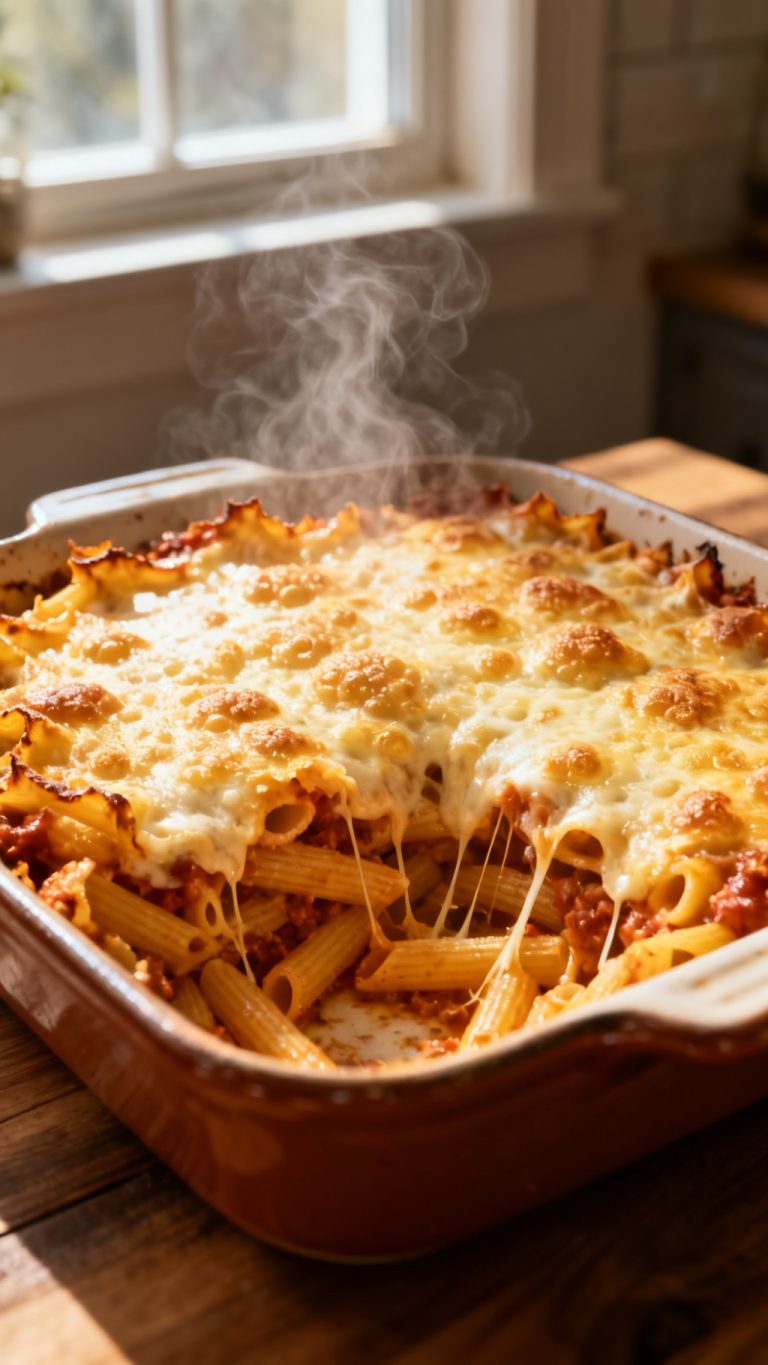


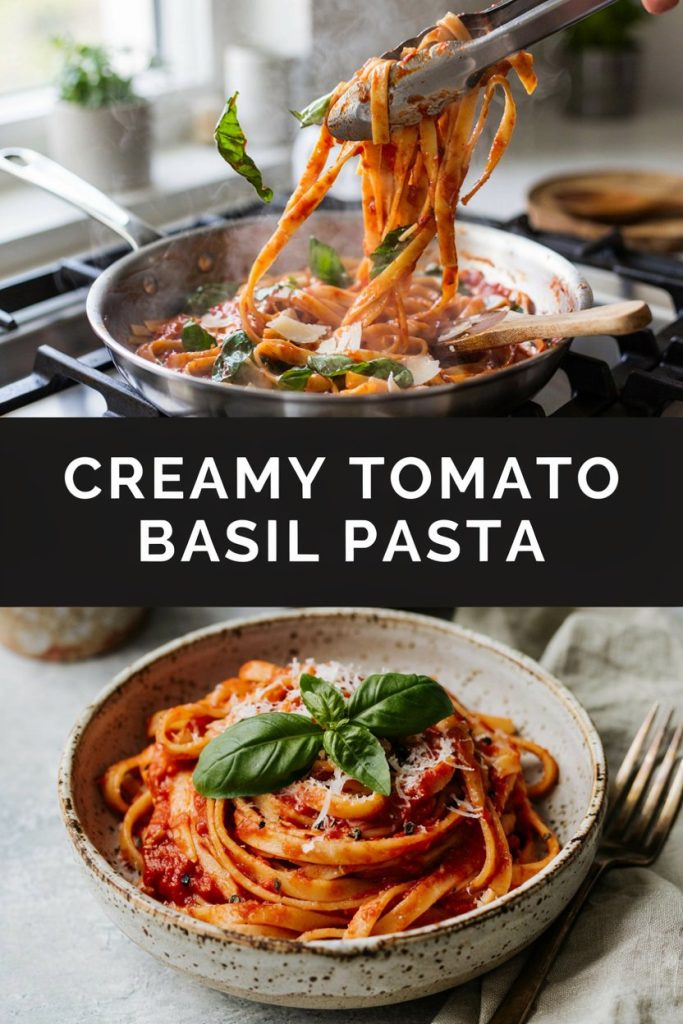
Creamy Tomato Basil Pasta That Feels Restaurant-Worthy

I’ve made this creamy tomato basil pasta countless times and perfected it until it feels truly restaurant-worthy. After years of experimenting, I nailed the balance of rich creaminess, fresh basil brightness, and robust tomato flavor that always impresses guests.
Creamy Tomato Basil Pasta That Feels Restaurant-Worthy
Ingredients
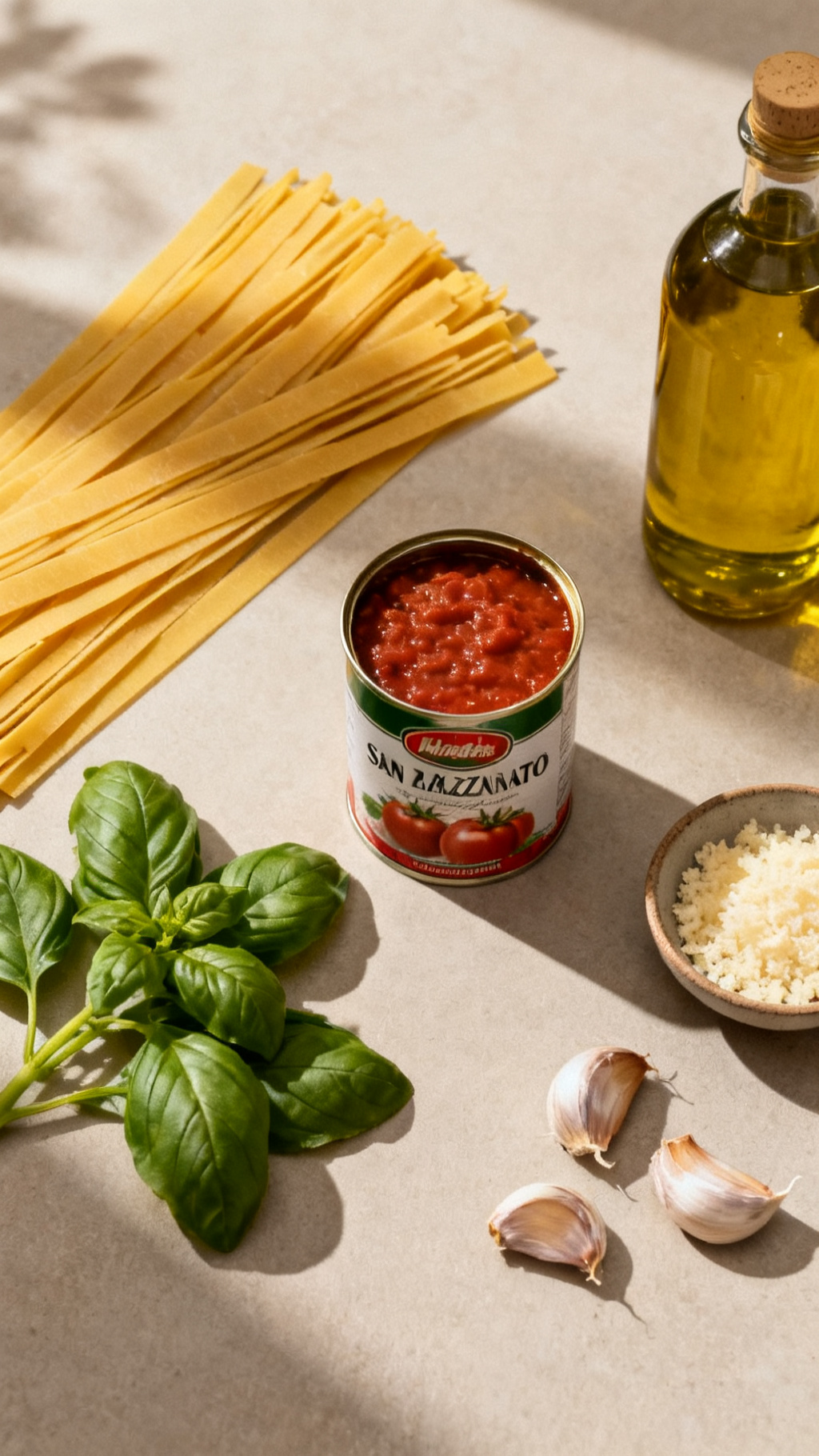
- 12 oz dry fettuccine or linguine pasta
- 2 tbsp olive oil
- 3 garlic cloves, minced
- 1 (28 oz) can San Marzano tomatoes, crushed
- 1 tsp sugar
- Salt and freshly ground black pepper to taste
- 1 cup heavy cream
- 1/2 cup freshly grated Parmesan cheese
- 1/4 cup fresh basil leaves, chopped
- 1/2 tsp red pepper flakes (optional)
Instructions
- Bring a large pot of salted water to a boil and cook the pasta until al dente according to package instructions; reserve 1 cup pasta water before draining
- Heat olive oil in a large skillet over medium heat, then add minced garlic and sauté until fragrant but not browned, about 1 minute
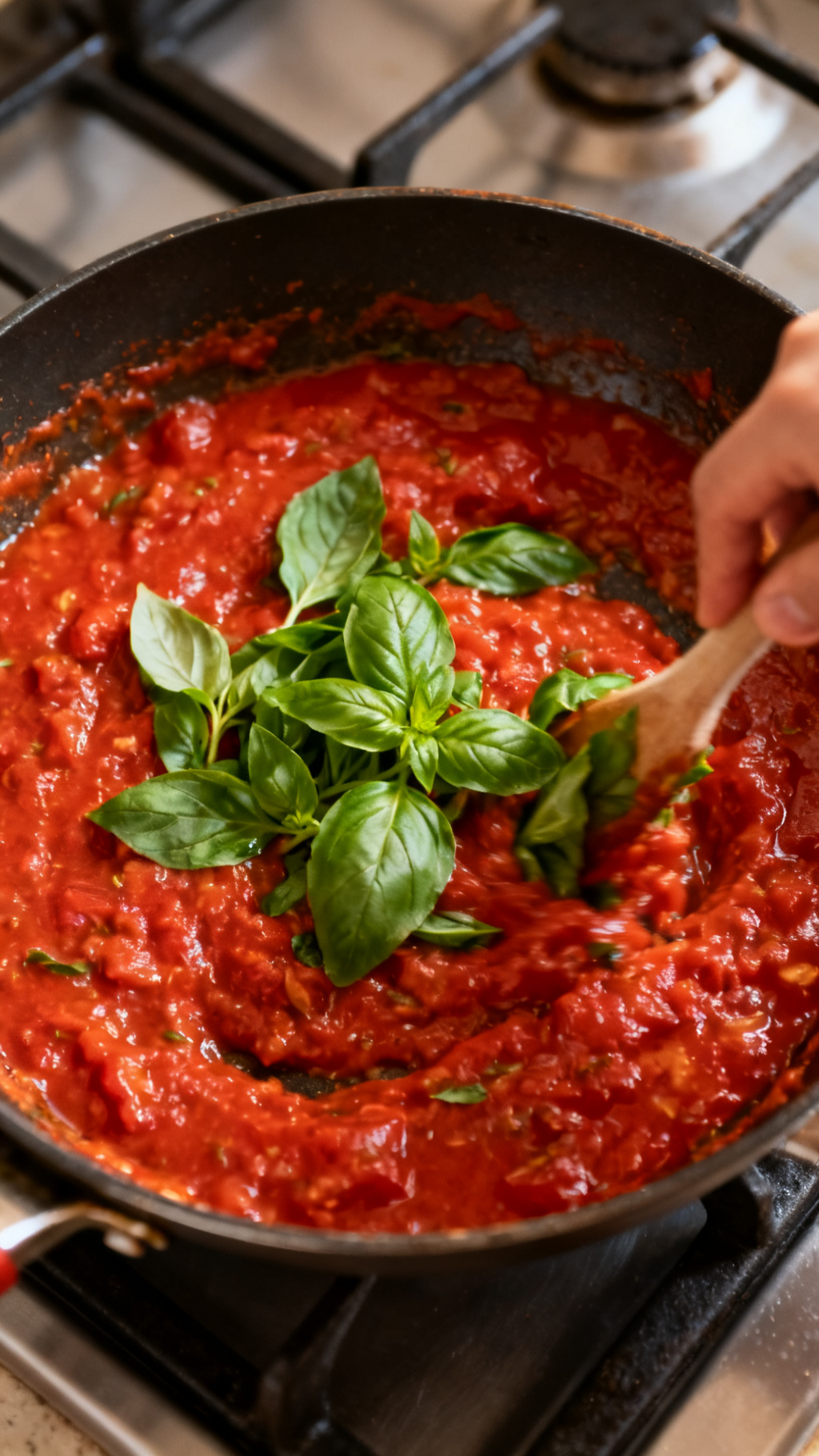
- Pour in crushed San Marzano tomatoes, stir in sugar, salt, and pepper; reduce heat to low and let the sauce simmer gently for 15-20 minutes to develop flavor
Save For Later
Key Takeaways
- Use San Marzano tomatoes for authentic rich flavor
- Simmer sauce slowly to deepen taste
- Add cream gradually to avoid curdling
- Toss pasta al dente for best texture
Why This Recipe Works
I always recommend using quality canned tomatoes because their natural sweetness and acidity create a sauce that’s far superior to fresh tomatoes in off-season. Simmering gently lets the flavors meld perfectly while the cream rounds out the acidity for a luscious finish.
Pro Tip: Simmer the sauce on low heat to develop deep, balanced flavors
What Makes It Special
I’ve found that fresh basil added at the very end keeps the sauce bright and aromatic. Also, stirring in a little pasta water helps the sauce adhere beautifully. This layering of flavors is what takes this dish beyond typical weeknight pasta.
Fact: Adding pasta water creates a silky emulsion that binds sauce to pasta
My Secret Technique
I always temper the cream by adding a spoonful of warm tomato sauce into it before mixing everything together. This prevents curdling and keeps the sauce silky smooth. It’s a simple step that makes a noticeable difference.
Insight: I temper cream with warm sauce to avoid curdling and ensure smooth texture
Ingredients
- 12 oz dry fettuccine or linguine pasta
- 2 tbsp olive oil
- 3 garlic cloves, minced
- 1 (28 oz) can San Marzano tomatoes, crushed
- 1 tsp sugar
- Salt and freshly ground black pepper to taste
- 1 cup heavy cream
- 1/2 cup freshly grated Parmesan cheese
- 1/4 cup fresh basil leaves, chopped
- 1/2 tsp red pepper flakes (optional)
Instructions
- Bring a large pot of salted water to a boil and cook the pasta until al dente according to package instructions; reserve 1 cup pasta water before draining
- Heat olive oil in a large skillet over medium heat, then add minced garlic and sauté until fragrant but not browned, about 1 minute
- Pour in crushed San Marzano tomatoes, stir in sugar, salt, and pepper; reduce heat to low and let the sauce simmer gently for 15-20 minutes to develop flavor
- Temporarily remove a spoonful of warm tomato sauce and slowly whisk it into the heavy cream to temper it, then gradually pour the cream mixture back into the skillet, stirring constantly to combine
- Add grated Parmesan cheese and stir until melted and the sauce is smooth; if sauce is too thick, add reserved pasta water a little at a time until desired consistency is reached
- Add cooked pasta directly into the sauce and toss to coat evenly; fold in fresh basil and red pepper flakes if using
- Serve immediately with extra Parmesan and basil garnish if desired
Ingredient Alternatives & Substitutions
- Replace heavy cream with coconut cream for a dairy-free version — I tested this and it adds a subtle sweetness
- Use gluten-free pasta to accommodate dietary restrictions — I found it works well without compromising texture
- Swap San Marzano canned tomatoes with fresh ripe plum tomatoes in summer for a fresher flavor — but watch simmer time
- Use half-and-half instead of heavy cream for a lighter sauce — I recommend tempering carefully to avoid curdling
- Add cooked grilled chicken or sautéed mushrooms for extra protein — I’ve enjoyed both additions often
Storage Instructions
- Store leftover pasta in an airtight container in the refrigerator for up to 3 days
- Reheat gently on the stove with a splash of water or broth to loosen the sauce for best texture
- Freeze the sauce separately in a freezer-safe container for up to 2 months; thaw overnight in the fridge before reheating
- Avoid freezing pasta with sauce together as pasta texture can degrade
Common Mistakes to Avoid
- Using fresh tomatoes out of season, resulting in a less flavorful sauce — I learned this the hard way
- Boiling cream directly into hot tomato sauce causing curdling — I always temper the cream now
- Overcooking pasta and losing that perfect al dente bite — timing is everything in my experience
- Skipping reserved pasta water which helps the sauce cling better — now I never forget this step
- Adding basil too early, which dulls its fresh flavor — I add it right before serving
- Not seasoning properly during simmer leading to a bland sauce — I taste and adjust salt throughout
Frequently Asked Questions
Q: Can I use fresh tomatoes instead of canned for this pasta?
Ans: I have used fresh tomatoes in peak season resulting in a lighter, fresher sauce, but canned San Marzano tomatoes give a richer, more consistent flavor year-round.
Q: How do I prevent the cream from curdling in the sauce?
Ans: From my experience, tempering the cream by mixing it with warm tomato sauce before adding to the skillet is key to keeping it silky and smooth.
Q: What pasta type works best with this creamy tomato basil sauce?
Ans: I prefer fettuccine or linguine because their flat shape catches the creamy sauce beautifully, but penne or rigatoni also work well.
Conclusion
I highly encourage you to try this creamy tomato basil pasta recipe—it’s straightforward yet impressive enough for any dinner gathering. With simple techniques and quality ingredients, I’ve always found this dish to be a reliable crowd-pleaser that feels truly restaurant-worthy.