
Coconut Flour Low-Carb Bread Rolls (Light & Soft)

I’ve baked these coconut flour bread rolls countless times, making small adjustments along the way until they turned out exactly the way I wanted. Getting a low-carb roll that feels light and soft instead of dry or crumbly wasn’t easy, but every batch taught me something new.
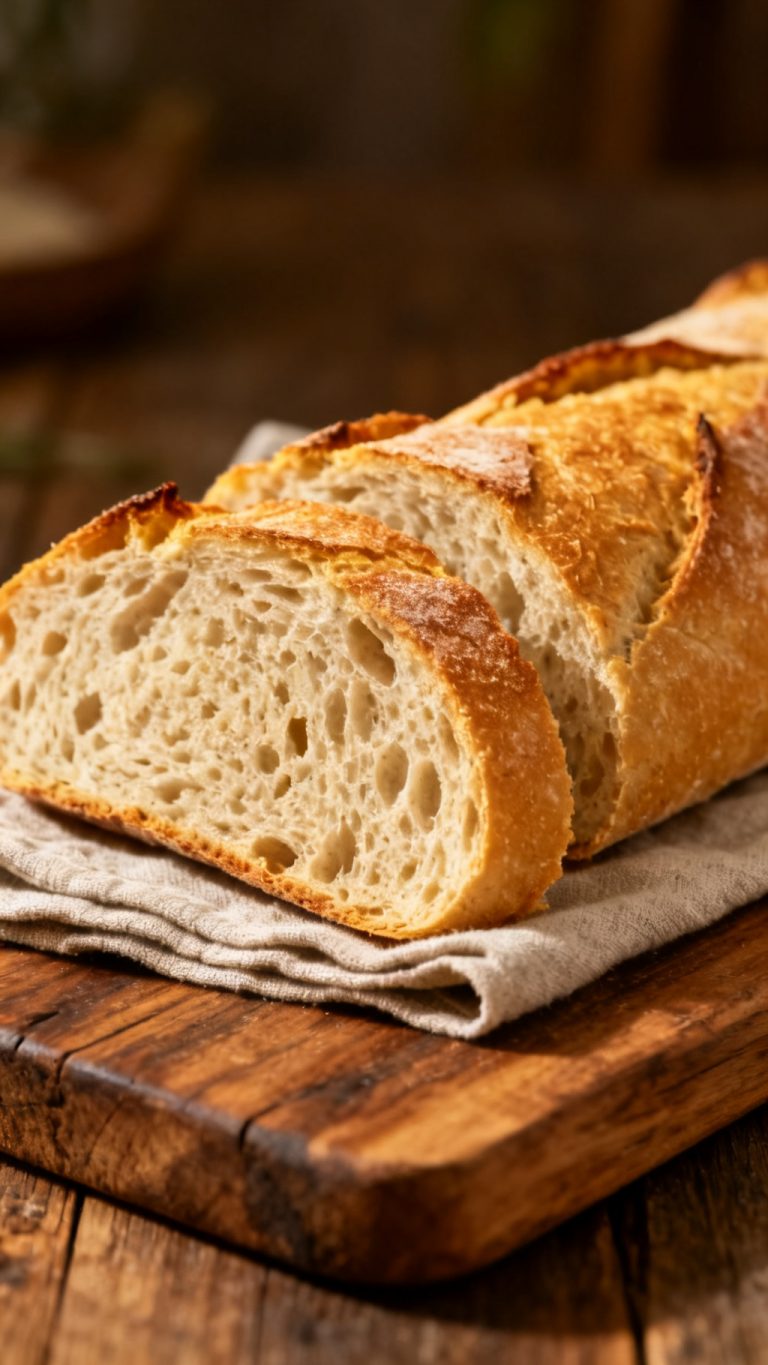
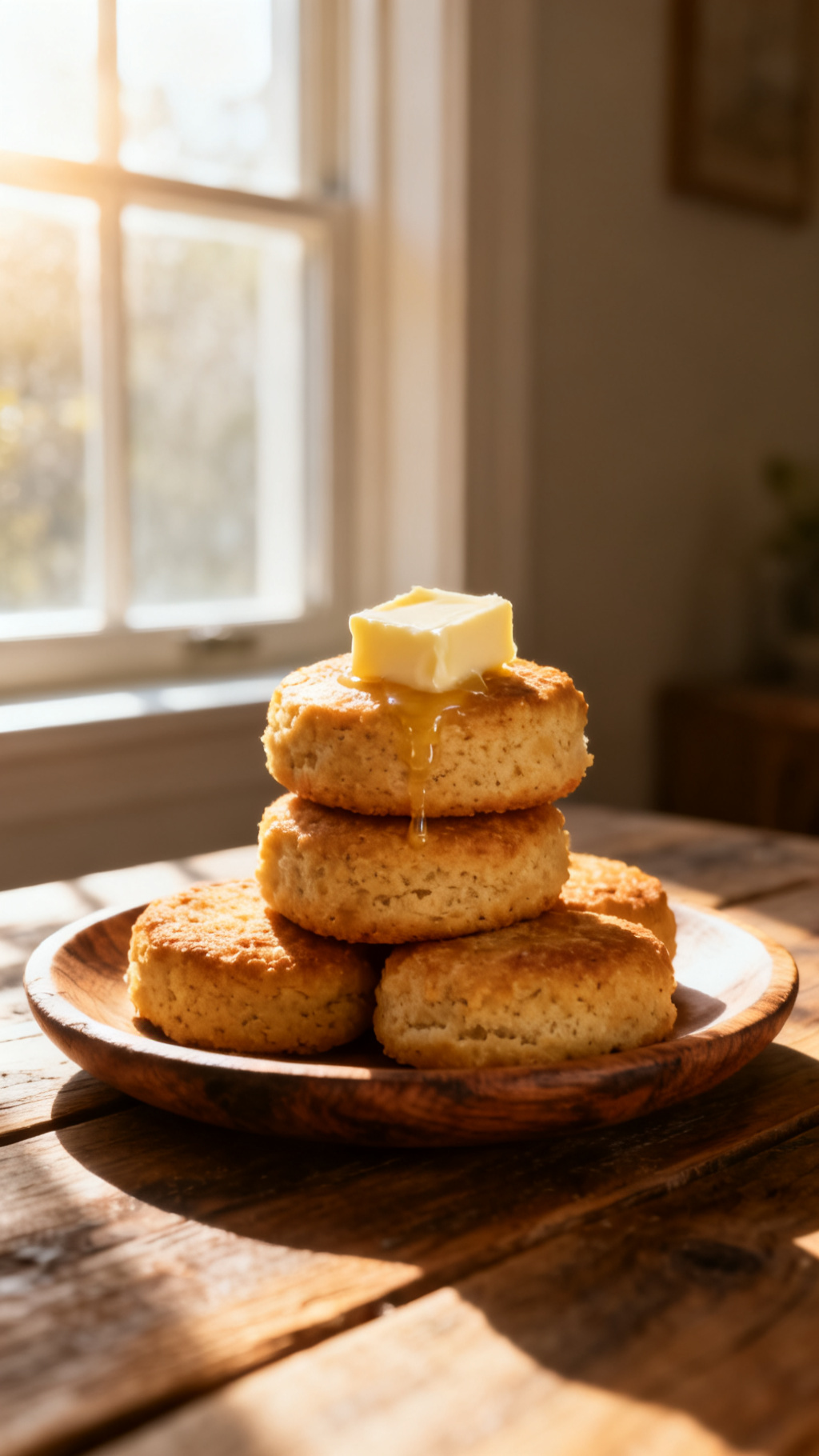
After plenty of trial and error, I found the right balance of ingredients and technique. The result is a batch of tender, fluffy rolls with a delicate crumb that pairs beautifully with soups, salads, sandwiches, or simply a little butter fresh from the oven.
Coconut Flour Low-Carb Bread Rolls (Light & Soft)
Ingredients
- 3/4 cup coconut flour
- 1/4 cup psyllium husk powder
- 1 tsp baking powder
- 1/2 tsp salt
- 4 large eggs, room temperature
- 1/2 cup warm water
- 1/4 cup melted butter
- 1 tbsp apple cider vinegar
- 2 large egg whites, room temperature
Instructions
- Preheat your oven to 350°F (175°C) and line a baking sheet with parchment paper
- In a large bowl, whisk together coconut flour, psyllium husk powder, baking powder, and salt thoroughly
- In a separate bowl, beat the 4 whole eggs with warm water, melted butter, and apple cider vinegar until smooth
Key Takeaways
- Use room-temperature eggs for better mixing
- Add psyllium husk powder to improve structure
- Avoid overbaking to keep rolls moist
- Let dough rest to hydrate coconut flour fully
Why This Recipe Works
I always recommend resting the dough after mixing to allow the coconut flour to fully absorb moisture, which helps prevent dryness and crumbliness. Adding psyllium husk powder also gives these rolls the structure and flexibility that coconut flour lacks on its own, resulting in a softer, more bread-like texture.
Here are the key reasons these rolls turn out light and soft:
- The dough gets time to hydrate. Letting it rest for about 10 minutes allows the coconut flour and psyllium husk to absorb the liquid evenly, creating a smoother dough that’s easier to shape.
- Whipped egg whites add natural lift. Folding them in gently introduces air without the need for gluten, giving the rolls a lighter crumb.
- Healthy fats keep the rolls tender. Butter adds richness while helping the interior stay moist instead of drying out during baking.
- The ingredient balance is carefully measured. Coconut flour is highly absorbent, so the ratio of eggs, water, and fat is important for achieving a soft texture.
- A moderate baking temperature prevents over-drying. Baking at 350°F allows the rolls to cook through while keeping the inside soft and the outside lightly golden.
Looking for another homemade keto bread? If you’d like a loaf that’s perfect for sandwiches and toast, give my Homemade Almond Flour Sandwich Loaf a try. It has a tender crumb, slices beautifully, and is another dependable low-carb baking recipe that’s always in my rotation.
5 STAR REVIEW
Brianna says, “Finally, a keto bread roll that tastes just like homemade dinner rolls!”
What Makes These Rolls So Soft
One thing I learned while testing this recipe is that coconut flour needs plenty of moisture to produce a soft, enjoyable crumb. That’s why I rely on eggs, butter, and psyllium husk to create the right balance. The eggs provide structure, the butter adds richness, and the psyllium husk helps hold everything together.
When those ingredients work together, the rolls bake up light, tender, and much closer to traditional bread than most low-carb versions.
👉 Try this recipe next: If you enjoy baking keto bread at home, you’ll also love my Homemade Keto Dinner Bread Rolls. They have a slightly different texture with a crisp golden exterior and a soft center, making them another great option for family dinners or holiday meals.
The Step I Never Skip
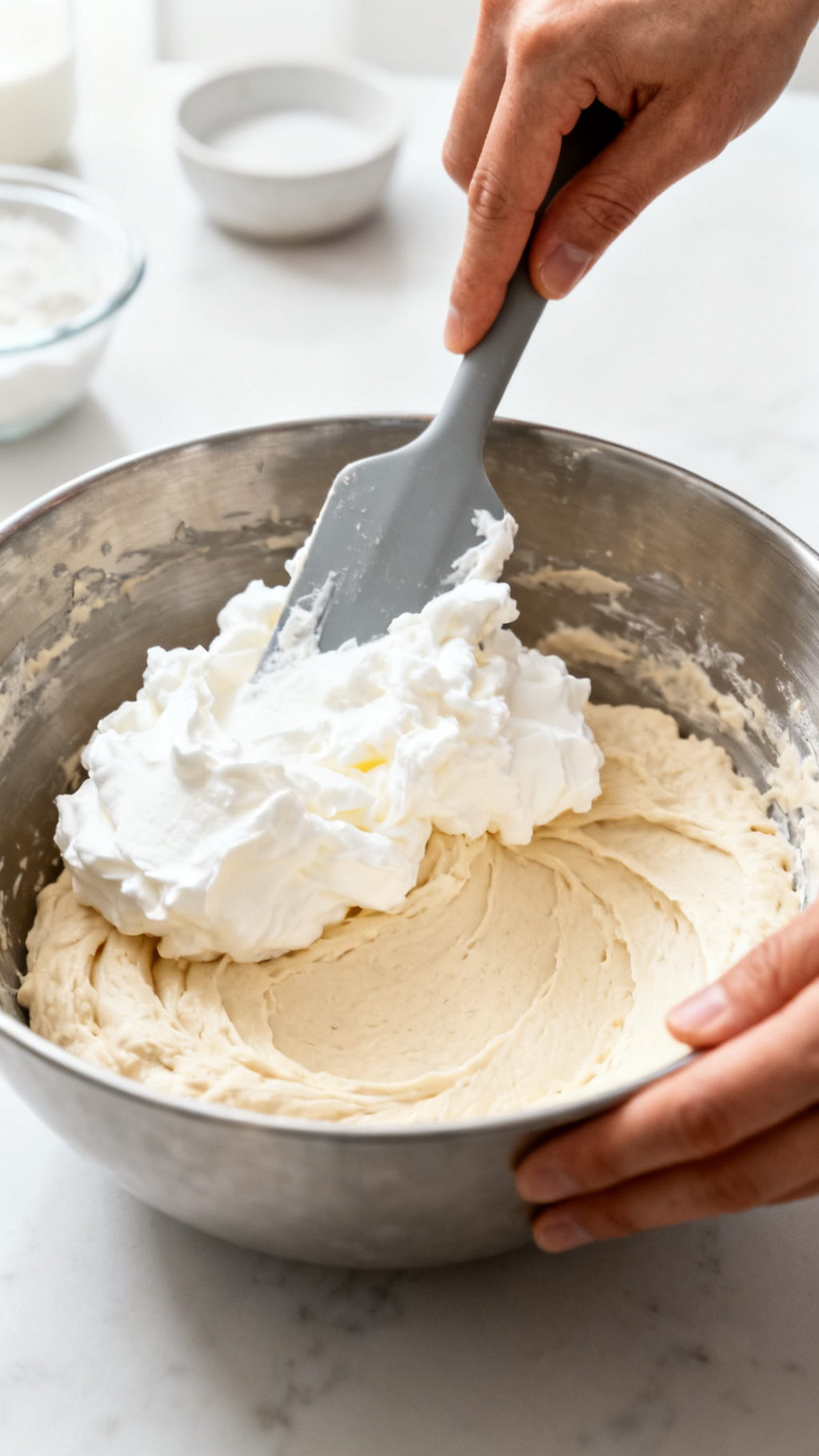
One of the biggest improvements I made to these rolls came from changing how I handled the egg whites. Instead of stirring them into the dough, I gently fold them in with a spatula to preserve as much air as possible.
It only takes an extra minute, but that simple step makes a noticeable difference, giving the rolls a lighter, softer texture instead of the dense crumb that’s common in many low-carb breads.
Insight: I always fold in egg whites gently for maximum fluffiness
Serving suggestion:
These rolls are perfect for serving alongside hearty keto dinners. One of my favorite pairings is my One-Pan Sausage & Cauliflower Skillet, where the soft bread is ideal for enjoying every last bit of the cheesy, savory flavors.
Ingredients
- 3/4 cup coconut flour
- 1/4 cup psyllium husk powder
- 1 tsp baking powder
- 1/2 tsp salt
- 4 large eggs, room temperature
- 1/2 cup warm water
- 1/4 cup melted butter
- 1 tbsp apple cider vinegar
- 2 large egg whites, room temperature
Instructions
- Preheat your oven to 350°F (175°C) and line a baking sheet with parchment paper
- In a large bowl, whisk together coconut flour, psyllium husk powder, baking powder, and salt thoroughly
- In a separate bowl, beat the 4 whole eggs with warm water, melted butter, and apple cider vinegar until smooth
- Slowly add the wet ingredients to the dry and mix well until a thick dough forms; I always use a spatula for this
- Let the dough rest for 10 minutes so the coconut flour can absorb the moisture completely
- In a clean bowl, whisk the 2 egg whites to stiff peaks — I usually use a hand mixer for this step
- Gently fold the whipped egg whites into the dough using a folding motion to keep the air intact
- Divide the dough into 8 equal portions and shape each into a round roll on the baking sheet
- Bake for about 30 minutes or until the tops are golden brown and a toothpick inserted comes out clean
- Allow the rolls to cool on a wire rack before serving — I find cooling improves texture and flavor
Ingredient Alternatives & Substitutions
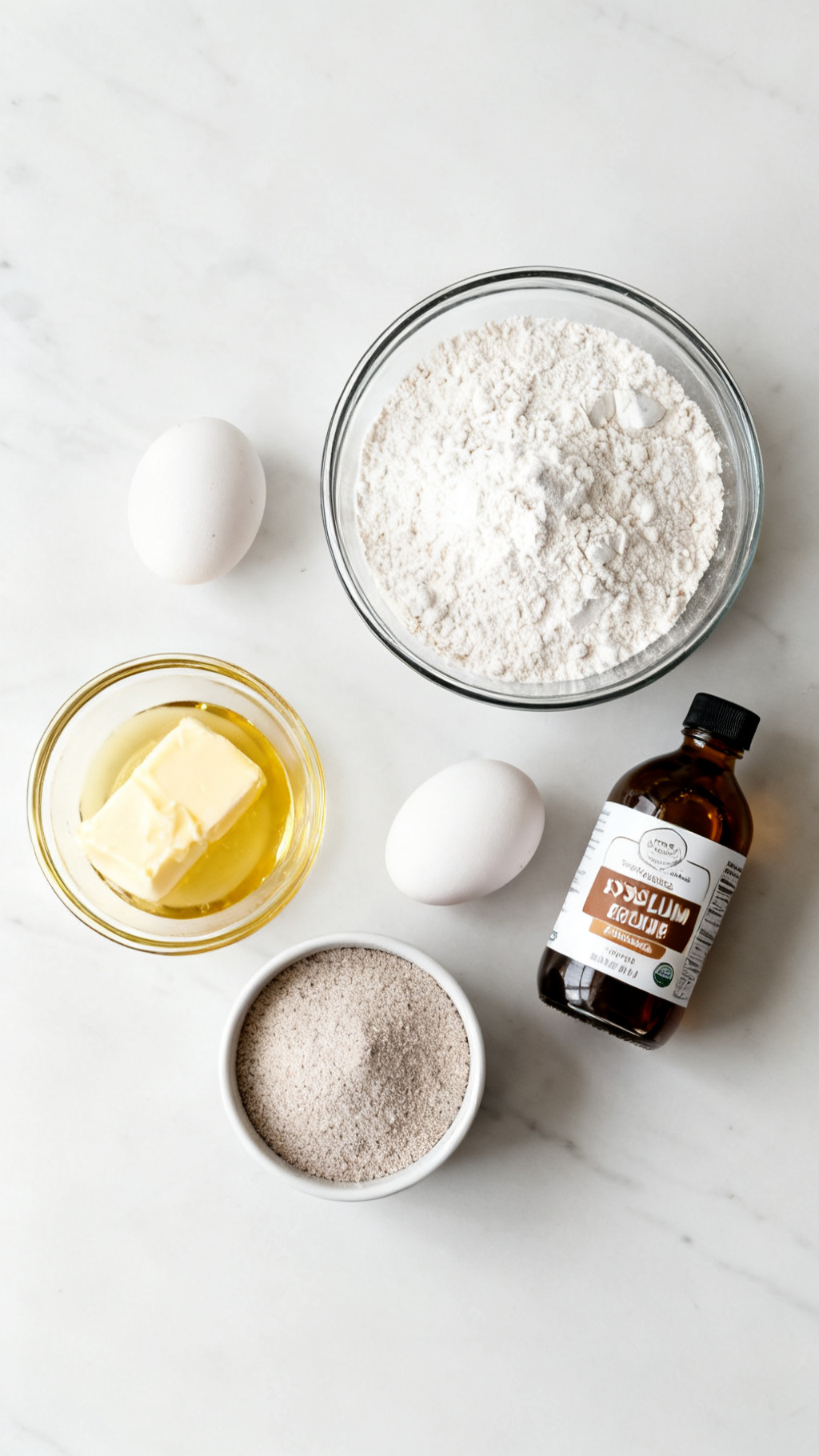
- Replace melted butter with coconut oil for a dairy-free option — I’ve tested this and it works well
- Use apple cider vinegar substitute with white vinegar if unavailable, flavor remains balanced
- Swap psyllium husk powder with ground flaxseed but expect a slightly denser texture
- Try using almond flour instead of coconut flour for a softer crumb but higher carb count
- Use ghee in place of butter for a nuttier flavor profile that complements coconut flour
Storage Instructions
- Store cooled rolls in an airtight container at room temperature for up to 3 days
- Refrigerate leftovers up to 7 days to maintain freshness and prevent spoilage
- Freeze rolls individually wrapped in plastic wrap and placed in a ziplock bag for up to 3 months
- Thaw frozen rolls at room temperature and warm briefly in the oven before serving for best texture
Common Mistakes to Avoid
- Skipping the dough rest: I once baked immediately and got dry crumbly rolls
- Overmixing after adding whipped egg whites flattens the airy texture, I learned this experimenting
- Using cold eggs caused the dough to be lumpy, so I always use room temperature eggs now
- Overbaking leads to hard crusts; I keep a close eye after 25 minutes to prevent this
- Not measuring coconut flour carefully because it’s so absorbent, which ruined the first batches for me
Frequently Asked Questions
Q: Can I use all almond flour instead of coconut flour?
Ans: I’ve tried substituting all coconut flour with almond flour but found the rolls become too dense and don’t hold shape well. The texture changes significantly, so I recommend following the recipe for best results.
Q: How can I make these rolls fluffier?
Ans: In my experience, the key is gently folding in whipped egg whites and letting the dough rest before baking. These steps add air and allow the flour to hydrate fully, resulting in fluffier bread rolls.
Q: Can I make the dough ahead and bake later?
Ans: I don’t advise making the dough too far ahead because the psyllium husk absorbs moisture and thickens over time. However, you can mix it and refrigerate for a few hours if wrapped tightly, then bring to room temperature and reshape before baking.
Conclusion
I encourage you to give these coconut flour low-carb bread rolls a try—they’ve become a staple in my kitchen for a reason. With simple ingredients and a few key techniques, you can enjoy soft, light rolls that fit perfectly into any low-carb lifestyle.