
Mango Sticky Rice – A Classic Thai Dessert Made Simple

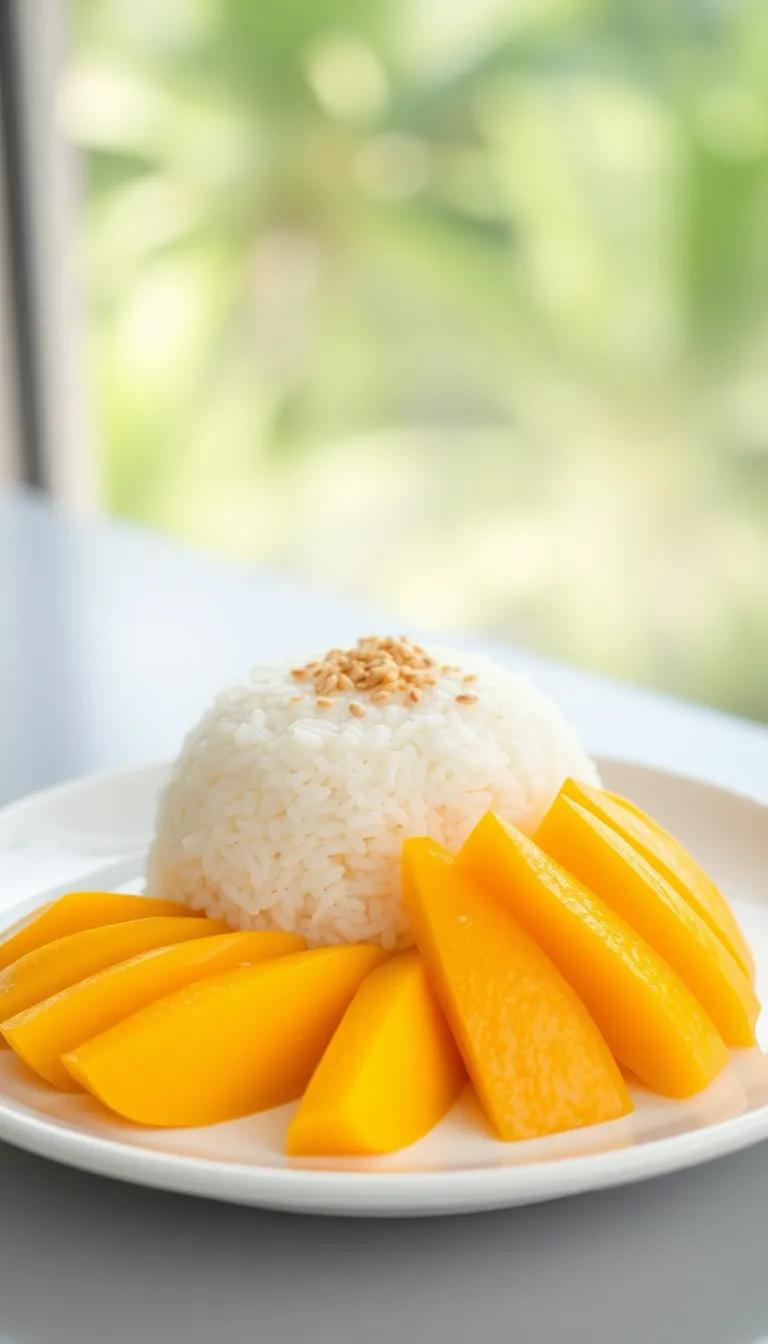
One of the things that truly makes mango sticky rice unforgettable is the perfectly creamy coconut sauce that soaks into the chewy rice while the ripe mango adds a luscious sweetness and a slight tang. The harmony of textures and flavors is what hooked me from the first bite and kept me coming back to perfect this simple yet decadent Thai dessert.
Mango Sticky Rice – A Classic Thai Dessert Made Simple
Ingredients
- 1 cup glutinous (sticky) rice
- 1 1/2 cups coconut milk
- 1/2 cup granulated sugar
- 1/4 teaspoon salt
- 2 ripe mangoes, peeled and sliced
- 1 tablespoon toasted sesame seeds or mung beans (optional)
Instructions
- Rinse the sticky rice several times under cold water until the water runs clear, then soak it in cold water for at least 3 hours or overnight; this helps achieve an even, tender texture.
- Drain the soaked rice and place it in a steamer lined with cheesecloth or a clean kitchen towel; steam over boiling water for about 20-25 minutes until the grains are translucent and tender, checking once halfway through to gently fluff rice with a fork.
- While the rice steams, combine the coconut milk, sugar, and salt in a saucepan over medium heat; stir until sugar dissolves but do not let it boil, then remove from heat.
Key Takeaways
- Soak sticky rice for several hours for best texture
- Simmer rice gently in coconut milk for creaminess
- Use ripe, sweet mangoes for optimal flavor
- Serve at room temperature for balanced taste
Why Soaking the Sticky Rice Matters
I always recommend soaking the sticky (glutinous) rice for at least 3 hours before cooking to get that signature tender but chewy texture. Without soaking, the rice cooks unevenly, leaving some grains underdone. It’s a small step that makes a huge difference in mouthfeel.
Pro Tip: Soak sticky rice in cold water for at least 3 hours or overnight

The Magic of Coconut Milk in This Dessert
The coconut milk isn’t just a sauce; it’s part of the cooking liquid that infuses the rice itself with creamy, rich flavor. I learned that simmering the rice gently with a bit of salt and sugar in coconut milk creates that luscious texture that makes this dessert so crave-worthy.
Fact: Sticky rice absorbs coconut milk during simmering for rich flavor
Choosing the Perfect Mango
I always recommend selecting mangoes that are just ripe but still firm, as they hold their shape beautifully alongside the creamy rice. Overripe mangoes can become too mushy and overpower the delicate balance. I’ve found that Nam Dok Mai or Ataulfo mangoes work best for this recipe.
Insight: I prefer slightly firm, sweet mangoes for ideal texture balance
Ingredients
- 1 cup glutinous (sticky) rice
- 1 1/2 cups coconut milk
- 1/2 cup granulated sugar
- 1/4 teaspoon salt
- 2 ripe mangoes, peeled and sliced
- 1 tablespoon toasted sesame seeds or mung beans (optional)
Instructions
- Rinse the sticky rice several times under cold water until the water runs clear, then soak it in cold water for at least 3 hours or overnight; this helps achieve an even, tender texture.
- Drain the soaked rice and place it in a steamer lined with cheesecloth or a clean kitchen towel; steam over boiling water for about 20-25 minutes until the grains are translucent and tender, checking once halfway through to gently fluff rice with a fork.
- While the rice steams, combine the coconut milk, sugar, and salt in a saucepan over medium heat; stir until sugar dissolves but do not let it boil, then remove from heat.
- Transfer the steamed sticky rice into a mixing bowl and gradually pour 1 cup of the warm coconut milk mixture over it; gently mix and cover with plastic wrap letting it absorb for about 20-30 minutes for maximum creaminess.
- Reserve the remaining coconut milk to drizzle on top when serving.
- Arrange sliced mangoes on individual dessert plates or bowls, spoon the sticky coconut rice alongside, then drizzle with reserved coconut milk and sprinkle toasted sesame seeds or mung beans if using for added crunch and visual appeal.
- Serve the mango sticky rice at room temperature to enjoy the best balance of flavors and textures.

Ingredient Alternatives & Substitutions
- Replace granulated sugar with palm sugar for a richer caramel note — I love the depth it adds
- Use canned coconut cream instead of coconut milk for an ultra-rich sauce, though it will be thicker
- Substitute mango with ripe papaya or lychee for a different tropical twist — I’ve tried both with great success
- Add a pinch of pandan leaf while simmering coconut milk for a fragrant aroma I personally enjoy
- Swap toasted sesame seeds with crushed roasted peanuts for more texture contrast — I tested this variation and it adds nice nuttiness
Storage Instructions
- Store leftover sticky rice in an airtight container in the refrigerator for up to 2 days; reheat gently with a splash of coconut milk to regain creaminess
- Keep sliced mangoes separate and refrigerated, ideally use within 1 day for freshness
- Avoid freezing the sticky rice as the texture suffers and becomes hard upon thawing
- If you make the coconut sauce ahead, keep it refrigerated and warm gently before serving
Common Mistakes to Avoid
- Skipping the soaking step: I learned the rice texture was far poorer without soaking, resulting in unevenly cooked grains.
- Boiling the coconut milk mixture: I once boiled it which caused separation; gentle heating preserves smooth creaminess.
- Using underripe mangoes: I found they were too fibrous and lacked sweetness to complement the rice.
- Serving the dessert cold straight from the fridge: I noticed flavor dulling and hardness versus room temperature serving.
- Adding too much coconut liquid at once: I mixed gradually now to avoid overly wet and sticky texture.
- Not allowing the rice to fully absorb coconut milk before serving: the flavor and creaminess were less pronounced in my early attempts.
Frequently Asked Questions
Q: Can I use regular white rice instead of sticky rice?
Ans: I’ve tried using regular jasmine rice before, but it doesn’t get the same sticky, chewy texture essential to this dessert, so I really recommend the glutinous rice specifically.
Q: How ripe should the mangoes be for the best flavor?
Ans: In my experience, mangoes should be ripe but still firm enough to slice neatly. Overripe mangoes get mushy and throw off the texture contrast I love in mango sticky rice.
Q: Is it necessary to steam the sticky rice rather than boil it?
Ans: I always steam the sticky rice rather than boil because boiling can make the grains soggy and less sticky. Steaming preserves the chewy texture that’s key to this dish.
Conclusion
I encourage you to try making mango sticky rice at home with this straightforward method; it truly captures the authentic Thai experience in each bite. Once you taste the creamy coconut rice paired with sweet mango, you’ll understand why I keep coming back to this dessert time and again.