
Almond Flour Zucchini Bread: A Moist, Tender, Gluten-Free Loaf

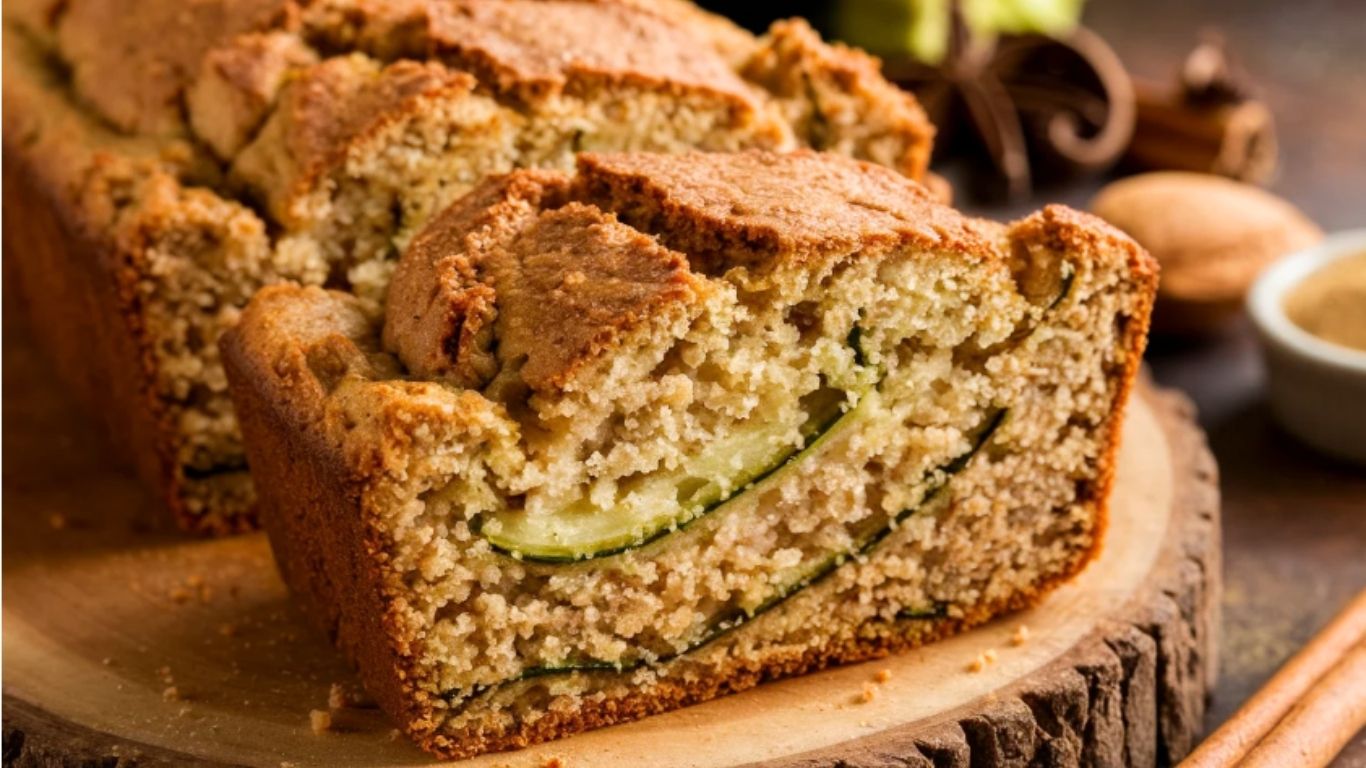
Almond flour zucchini bread is one of those recipes I love making when I want something homemade that feels a little different from traditional quick bread. The almond flour gives the loaf a delicate, nutty flavor, while freshly grated zucchini adds moisture that helps keep every slice soft and tender. With a touch of maple syrup, vanilla, and cinnamon, the bread has a gentle sweetness that works just as well for breakfast as it does for an afternoon snack.
Almond Flour Zucchini Bread
Ingredients
- 2 cups blanched almond flour
- 1½ cups grated zucchini, squeezed to remove excess moisture
- 3 large eggs, preferably at room temperature
- ¼ cup maple syrup
- 1 teaspoon vanilla extract
- 1 teaspoon ground cinnamon (optional)
- ½ teaspoon baking soda
- ¼ teaspoon salt
Instructions
- Preheat the oven to 350°F (175°C). Grease an 8½-by-4½-inch loaf pan or line it with parchment paper.
- Grate the zucchini and squeeze out excess moisture using a clean kitchen towel. Set aside.
- In a large bowl, whisk the eggs, maple syrup, and vanilla extract until smooth and well combined.
- Add the almond flour, baking soda, cinnamon, and salt. Stir until the ingredients are evenly incorporated.
- Fold the prepared zucchini into the batter until evenly distributed. Avoid overmixing.
- Transfer the batter to the prepared loaf pan and smooth the top. Bake for 45–55 minutes, or until golden and a toothpick inserted into the center comes out clean or with a few moist crumbs.
- If the top browns too quickly, cover it loosely with foil and continue baking until the center is cooked through.
- Let the bread cool in the pan for 15–20 minutes, then transfer it to a wire rack. Cool completely before slicing.
What I appreciate most about this recipe is how simple the preparation is. You don’t need a mixer or complicated baking techniques, and the ingredients come together in one bowl with very little fuss. The key is managing the moisture in the zucchini and allowing the loaf to cool properly before slicing. Once you get those two details right, you’ll have a flavorful, gluten-free bread that’s easy to enjoy throughout the week.
A Few Things to Know Before Baking
- Squeeze the zucchini well: Removing excess water helps prevent a wet center and gives the loaf a better texture.
- Choose blanched almond flour: Its fine consistency helps produce a more even, tender crumb.
- Bring the eggs to room temperature: This makes them easier to incorporate into the batter.
- Check the center before removing the loaf: Almond flour baked goods can brown before the middle is fully cooked.
- Let it cool completely: The bread needs time to set so the slices hold together instead of crumbling.
Why Almond Flour and Zucchini Work So Well Together
The success of almond flour zucchini bread comes down to how its ingredients complement one another. Almond flour provides a naturally rich flavor and a soft, slightly dense crumb, while zucchini contributes moisture without adding a strong vegetable taste.
Eggs help bind the almond flour and give the loaf structure. Since almond flour doesn’t contain gluten, the eggs are particularly important for keeping the bread from falling apart. Baking soda provides lift, and a little salt balances the sweetness.
Maple syrup adds a mild caramel-like note, while vanilla and cinnamon make the loaf smell inviting as it bakes. The result is a tender quick bread with enough flavor to stand on its own, whether served plain or with a little butter.
What Sets This Zucchini Bread Apart
Unlike conventional zucchini bread made with wheat flour, this version relies on almond flour for its texture and flavor. That makes it a useful option for anyone avoiding gluten, provided the remaining ingredients are also suitable for their dietary needs.
I also like the balance between the mild sweetness and the natural nuttiness of the almonds. The zucchini blends into the loaf rather than dominating it, so even people who aren’t particularly fond of vegetables in baked goods may enjoy the result.
Another advantage is the straightforward preparation. There’s no need to beat butter and sugar together or knead a dough. A bowl, a whisk, a grater, and a loaf pan are enough to get started.
My Best Trick for a Moist, Tender Loaf
The most important detail is getting the moisture level right before mixing the batter. Zucchini contains a surprising amount of water, and that moisture can vary depending on the size and freshness of the vegetable.
After grating the zucchini, I place it in a clean kitchen towel and squeeze out the excess liquid. I don’t try to make it completely dry; the goal is simply to remove the water that would otherwise interfere with baking.
I also recommend checking the loaf a few minutes before the expected baking time ends. Almond flour can brown relatively quickly, so if the top is already golden but the center still needs time, loosely cover it with foil. This helps protect the surface while the middle finishes cooking.
Ingredients for Almond Flour Zucchini Bread
- 2 cups blanched almond flour: Use finely ground almond flour rather than coarse almond meal for a more delicate texture.
- 1½ cups grated zucchini: Measure the zucchini after grating, then squeeze out the excess moisture.
- 3 large eggs: Preferably at room temperature, to help the batter mix evenly.
- ¼ cup maple syrup: Adds sweetness and moisture. Honey is a suitable alternative.
- 1 teaspoon vanilla extract: Gives the bread a warm, rounded flavor.
- 1 teaspoon ground cinnamon: Optional, but it pairs particularly well with the almond flour.
- ½ teaspoon baking soda: Helps the loaf rise.
- ¼ teaspoon salt: Balances the sweetness and brings out the other flavors.
How to Prepare the Bread Step by Step
1. Prepare the pan and zucchini
Preheat your oven to 350°F (175°C). Grease a standard 8½-by-4½-inch loaf pan or line it with parchment paper, leaving a little overhang to help lift out the finished bread.
Wash and grate the zucchini using the large holes of a box grater. Transfer it to a clean kitchen towel and squeeze out the excess liquid. Set it aside while you prepare the batter.
2. Combine the wet ingredients
In a large mixing bowl, whisk the eggs, maple syrup, and vanilla extract until the mixture looks smooth and evenly combined.
Using room-temperature eggs helps the ingredients blend more easily. There’s no need to whip the mixture until fluffy; a thorough whisking is enough.
3. Add the dry ingredients
Add the almond flour, baking soda, cinnamon, and salt to the bowl. Stir until the dry ingredients are evenly distributed and no large pockets of almond flour remain.
The batter will be thicker than a typical wheat-flour quick bread batter. That’s normal, so avoid adding extra liquid simply because it doesn’t look as loose as you expect.
4. Fold in the zucchini
Add the squeezed zucchini and fold it through the batter until evenly distributed. Scrape the sides and bottom of the bowl to make sure everything is incorporated.
Avoid excessive mixing. Once the zucchini is evenly dispersed, the batter is ready for the pan.
5. Bake until the center is set
Transfer the batter to the prepared loaf pan and smooth the top. Bake for approximately 45–55 minutes, checking toward the earlier end of the range.
The loaf should look golden, and a toothpick inserted into the center should come out clean or with a few moist crumbs rather than wet batter. If the top browns too quickly, cover it loosely with foil and continue baking.
Ovens and zucchini moisture levels vary, so use the appearance and center doneness as your guide rather than relying on the timer alone.
6. Cool before slicing
Remove the pan from the oven and allow the bread to rest for about 15–20 minutes. Lift it out carefully and place it on a wire rack to cool completely.
It’s tempting to cut into a warm loaf, but almond flour bread is delicate while hot. Giving it time to cool allows the crumb to firm up, making it easier to slice neatly.
Ingredient Swaps and Simple Variations
A few changes can help you adapt the loaf to your pantry or preferred flavor without losing sight of how the ingredients affect the final result.
- Maple syrup instead of honey, or vice versa: These sweeteners can generally be exchanged in equal amounts. Honey may produce a slightly stronger flavor and more pronounced browning.
- A different warm spice: Replace cinnamon with a smaller amount of ground nutmeg or cardamom. Both add a distinct aroma without changing the basic recipe.
- Chocolate chips: Fold in about ¼–½ cup of chocolate chips for a sweeter loaf. The extra pieces will make the texture a little richer.
- Chopped walnuts or pecans: Add approximately ¼ cup for a pleasant crunch. Toasted nuts provide an especially good contrast to the soft crumb.
- A keto-friendly sweetener: If you want to reduce the sugar content, use a granulated or liquid sweetener specifically formulated to replace maple syrup in baking. Follow its conversion guidance because sweetness and moisture can differ considerably.
A note about flour substitutions: Coconut flour is not a direct replacement for almond flour. It absorbs much more liquid, so substituting it without changing the other ingredients will likely result in a dry, crumbly loaf. Replacing almond flour with regular wheat flour also changes the recipe’s liquid requirements and structure.
Storing Leftovers and Keeping the Texture Fresh
Allow the bread to cool completely before storing it. Packing it while warm traps steam, which can make the surface damp and shorten its storage life.
- At room temperature: For best quality and food safety, I recommend refrigerating this moist, egg-based loaf rather than leaving it out for several days.
- In the refrigerator: Store slices or the whole loaf in an airtight container for approximately 5–7 days. A small piece of parchment between slices can make them easier to separate.
- In the freezer: Wrap individual slices or small portions tightly, then place them in a freezer-safe bag or container. Freeze for up to 3 months for best quality.
- To reheat: Warm a slice in the microwave for about 10–20 seconds, or toast it gently until heated through. Frozen slices can be thawed in the refrigerator or warmed directly from frozen, using a lower toaster setting if needed.
Refrigeration can make almond flour bread feel firmer because of the fats in the almonds. A brief warming usually softens the slice and brings back some of its freshly baked aroma.
Common Baking Problems and How to Avoid Them
- Leaving too much water in the zucchini. Excess moisture can make the center gummy and prevent the loaf from setting properly. Squeeze the grated zucchini thoroughly before measuring it into the batter.
- Using almond meal instead of fine almond flour. Coarser almond meal can produce a heavier, grainier crumb. Choose finely ground blanched almond flour when possible.
- Adding extra liquid to thin the batter. This batter is naturally thick. Unnecessary additions can throw off the balance and leave the middle underbaked.
- Removing the loaf too early. A golden crust doesn’t always mean the center is cooked. Check with a toothpick and give the loaf additional time if wet batter remains.
- Baking at too high a temperature. Excessive heat can brown the outside before the inside has finished cooking. Use the recommended oven temperature and cover the top loosely if needed.
- Cutting the bread while it’s hot. The crumb hasn’t fully settled at this stage, so slices may break apart. Cool the loaf completely before cutting.
- Measuring the almond flour incorrectly. Packing it tightly into a measuring cup can add too much flour and make the loaf dry. Spoon it into the cup and level it off, or use a kitchen scale for more consistent results.
Questions About Almond Flour Zucchini Bread
Can I make almond flour zucchini bread ahead of time?
Yes. You can bake the loaf a day ahead and refrigerate it once completely cooled. The flavor often becomes more settled after resting overnight, and the chilled loaf is usually easier to slice neatly. For serving, bring a slice toward room temperature or warm it briefly.
Can I use frozen zucchini instead of fresh?
Yes, provided you thaw it completely and drain it well. Frozen zucchini often releases more liquid during thawing, so squeeze it thoroughly in a clean towel. Measure the zucchini after removing the excess water to help maintain the intended batter consistency.
Why did my almond flour zucchini bread turn out crumbly?
Crumbly bread can result from overbaking, an incorrect flour measurement, or too much variation in the moisture balance. Almond flour doesn’t develop the gluten structure found in wheat flour, so the eggs and correct ingredient proportions are important for binding the loaf. Letting it cool fully also helps the slices hold together.
Is this zucchini bread suitable for a keto diet?
The loaf contains almond flour, which is commonly used in low-carbohydrate baking, but the maple syrup contributes carbohydrates. For a keto-oriented version, replace the syrup with a suitable keto sweetener and use a recipe adjustment that accounts for the syrup’s moisture. The final carbohydrate content will depend on the ingredients and serving size.
Can I bake this recipe as muffins instead of a loaf?
Yes. Divide the batter among lined muffin cups, filling each about three-quarters full. Bake at 350°F (175°C), beginning to check for doneness after approximately 18–22 minutes. The exact time depends on the size of your muffin cups, so look for set centers and a toothpick that comes out without wet batter.
A Simple Loaf Worth Making Again
Almond flour zucchini bread is a lovely choice when you want homemade baking with a tender crumb, a subtle nutty flavor, and just enough sweetness. The ingredients are straightforward, the preparation is manageable, and the loaf works for breakfast, an afternoon snack, or a simple dessert.
My biggest recommendation is to pay attention to the zucchini’s moisture and give the bread enough time to cool. Those small details make a noticeable difference in the finished texture. Serve a slice on its own, add a little butter, or pair it with coffee or tea for an easy homemade treat.