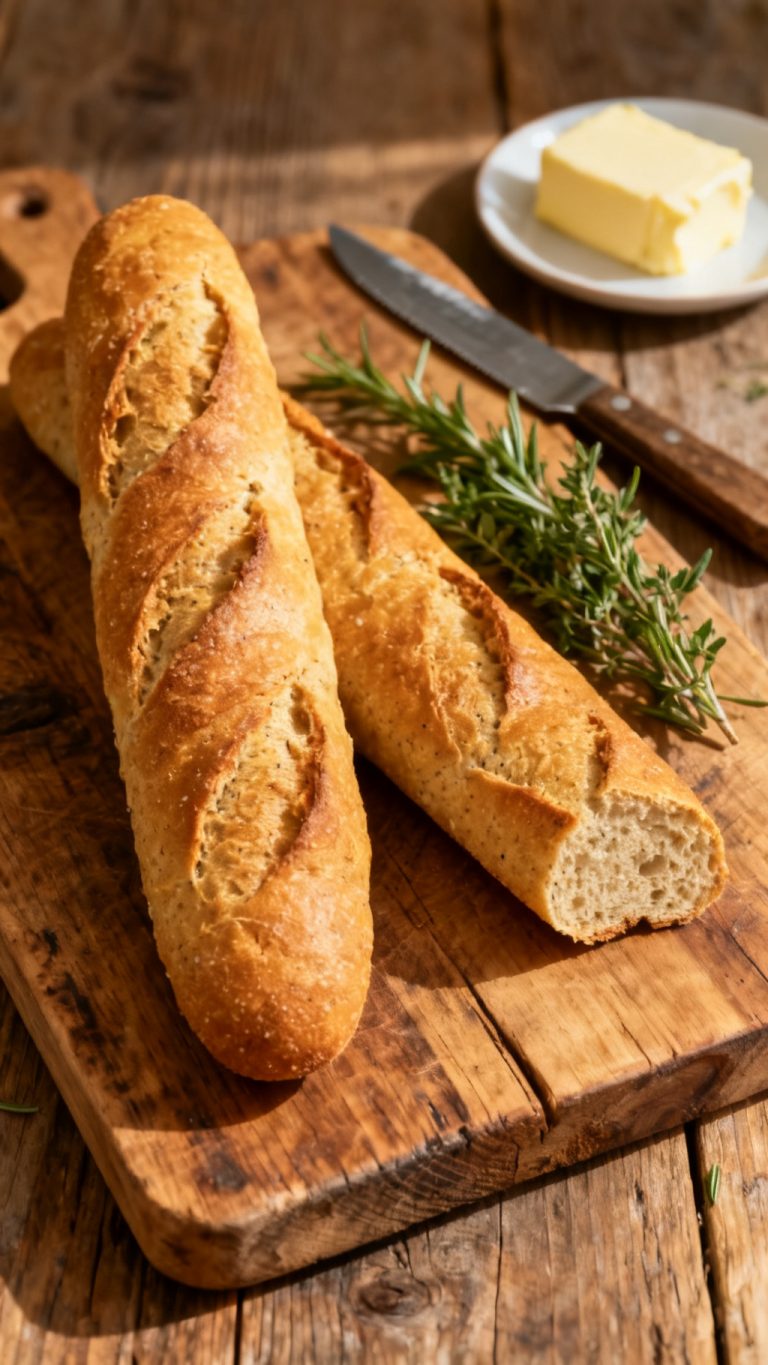

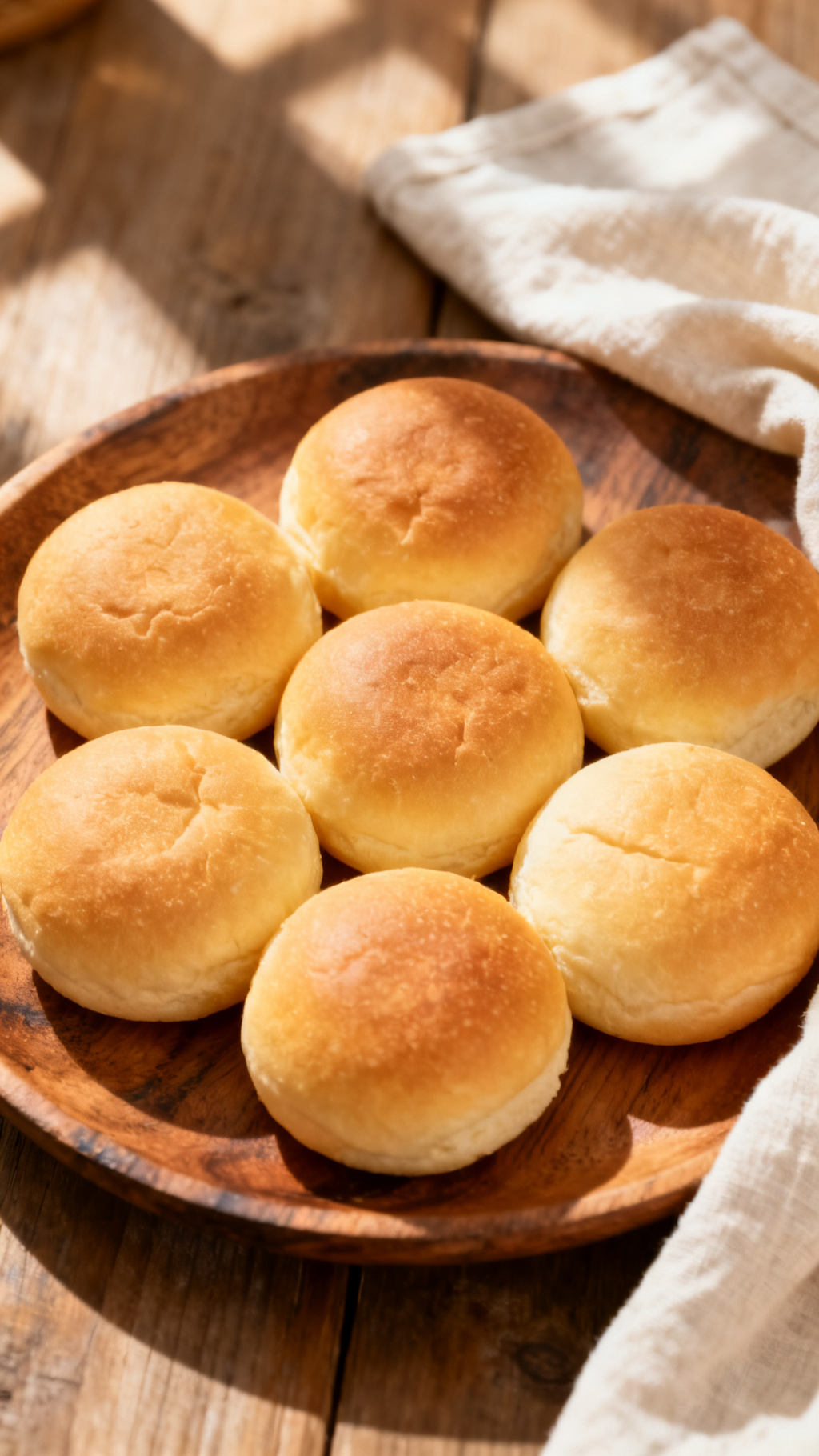
Egg White Protein Bread Rolls (Keto & Gluten-Free)

I’ve been experimenting with keto and gluten-free baking for years, and these Egg White Protein Bread Rolls are a game-changer. After dozens of trials, I finally nailed a recipe that’s light, fluffy, and packed with protein without any grain or starch.
Egg White Protein Bread Rolls (Keto & Gluten-Free)

Ingredients
- 6 large egg whites
- 1/4 cup almond flour
- 2 tablespoons coconut flour
- 2 teaspoons baking powder
- 1/2 teaspoon xanthan gum
- 1/4 teaspoon salt
- 1 tablespoon olive oil
- 1 teaspoon apple cider vinegar
Instructions
- Preheat your oven to 350°F (175°C) and line a baking sheet with parchment paper — I always prepare my workspace first to keep the process smooth.
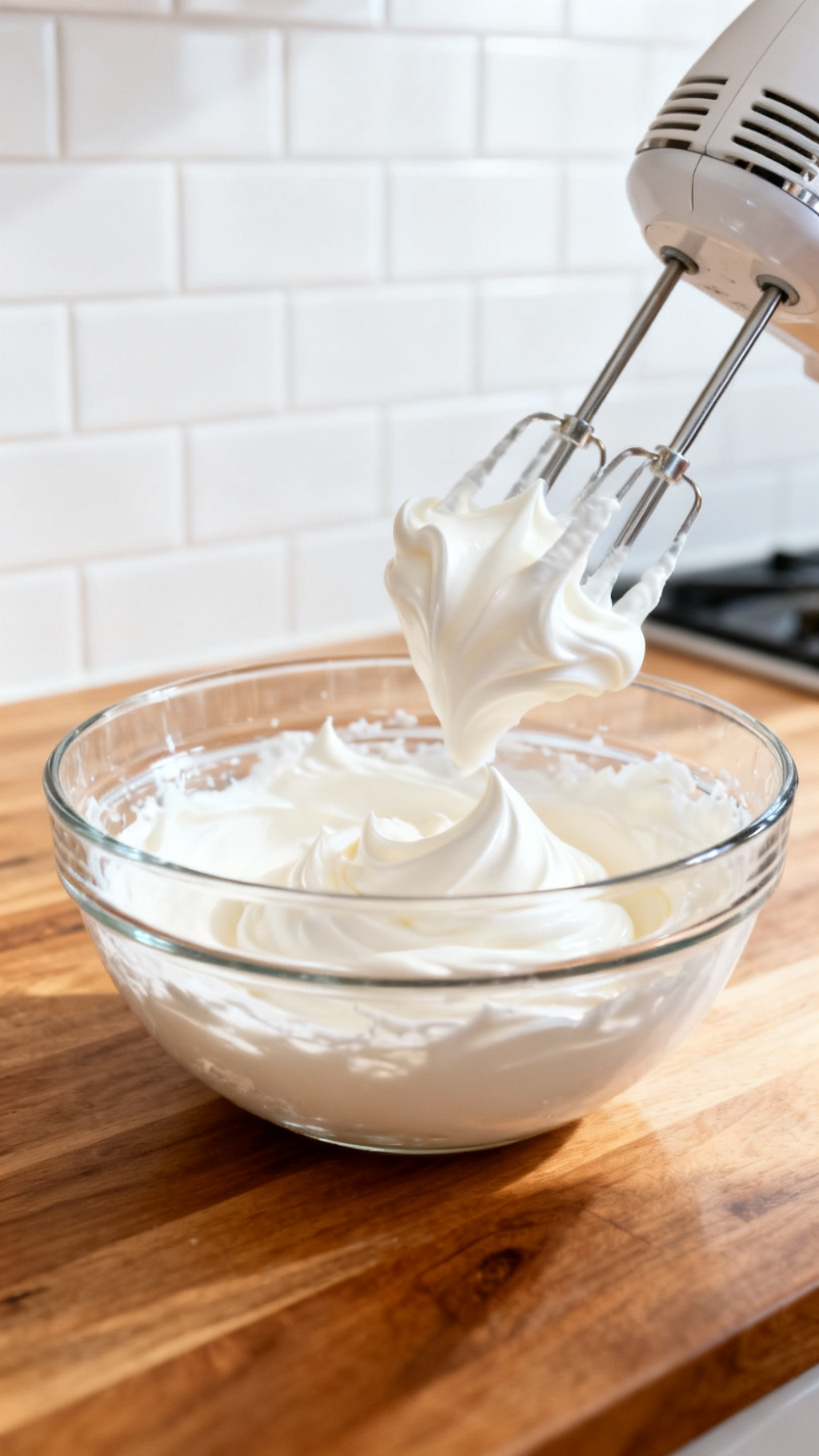
- In a very clean, grease-free bowl, whip the 6 egg whites with an electric mixer until stiff peaks form; I find this gives the lightest structure.
- In another bowl, whisk together almond flour, coconut flour, baking powder, xanthan gum, and salt to ensure even distribution.
Save For Later
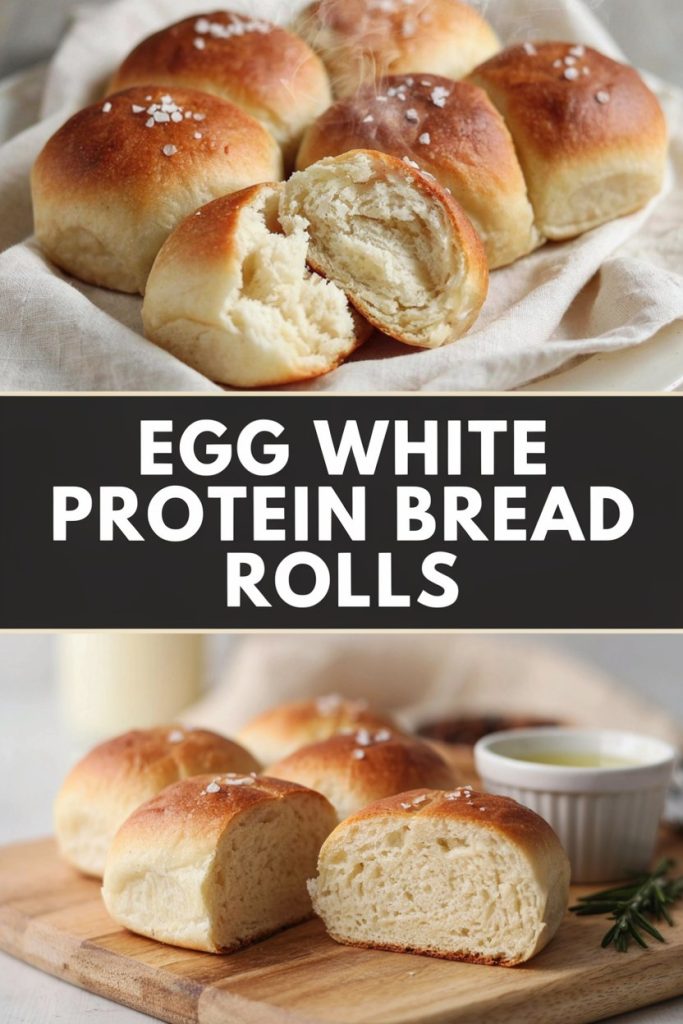
Key Takeaways
- Whip egg whites to stiff peaks for airy texture
- Use almond and coconut flour blend for structure
- Avoid overmixing to keep rolls tender
- Bake until golden brown for best crust
Why This Recipe Works
I always emphasize separating egg whites carefully and whipping them to stiff peaks because that’s what gives these rolls their characteristic lightness. The combination of almond and coconut flour creates enough structure without compromising the keto-friendly nature. I’ve found that the balance in ingredients is key to avoiding dense or gummy results.
Pro Tip: Whip egg whites in a grease-free bowl for maximum volume
Health Benefits and Keto Compatibility
In creating this recipe, I focused on keeping carbs ultra-low while maximizing protein intake. Egg whites are an excellent source of lean protein, and using nut flours provides healthy fats and fiber without spiking blood sugar. This makes the rolls ideal for staying in ketosis while enjoying bread-like texture.
Fact: Egg white protein is complete and supports muscle repair
My Secret Technique for Softness
I always fold the dry ingredients gently into the whipped egg whites rather than mixing vigorously. This helps retain the air bubbles that make the rolls rise and feel soft inside. In my experience, this step makes all the difference between chewy and melt-in-your-mouth bread rolls.
Insight: I prefer gentle folding over stirring to keep batter airy
Ingredients
- 6 large egg whites
- 1/4 cup almond flour
- 2 tablespoons coconut flour
- 2 teaspoons baking powder
- 1/2 teaspoon xanthan gum
- 1/4 teaspoon salt
- 1 tablespoon olive oil
- 1 teaspoon apple cider vinegar
Instructions
- Preheat your oven to 350°F (175°C) and line a baking sheet with parchment paper — I always prepare my workspace first to keep the process smooth.
- In a very clean, grease-free bowl, whip the 6 egg whites with an electric mixer until stiff peaks form; I find this gives the lightest structure.
- In another bowl, whisk together almond flour, coconut flour, baking powder, xanthan gum, and salt to ensure even distribution.
- Slowly fold the dry ingredients into the whipped egg whites in three additions, gently turning with a spatula to keep as much air as possible.
- Add olive oil and apple cider vinegar and fold just until combined; avoid overmixing to maintain fluffiness.
- Spoon the batter onto the parchment paper in 6 equal rounds, shaping them slightly with a wet spatula for smooth tops.
- Bake for 23-25 minutes or until rolls are golden brown and spring back lightly when pressed; I always check early to avoid overbaking.
- Allow the rolls to cool on the baking sheet for 10 minutes before transferring to a wire rack; this helps set their texture.
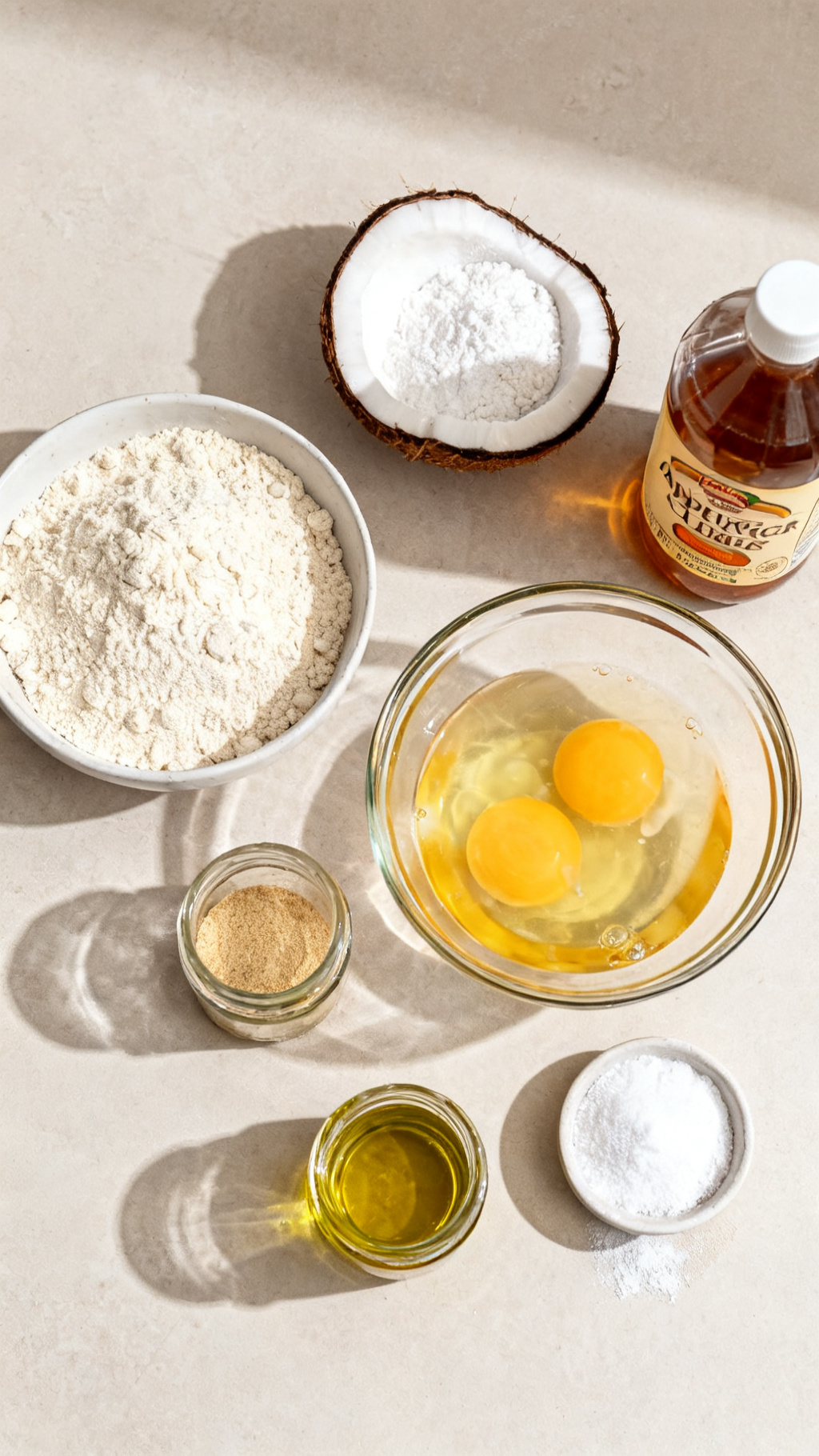
Ingredient Alternatives & Substitutions
- Replace olive oil with melted butter for richer flavor — I’ve tried this and it adds a nice depth
- Swap almond flour for hazelnut flour for a nutty twist — I recommend toasting nuts first
- Use ground flaxseeds instead of coconut flour to reduce carbs further — I found the texture slightly denser
- Add 1 tablespoon psyllium husk powder for extra binding — I tested this and rolls stay moist longer
- Use apple cider vinegar substitute with lemon juice if unavailable — I found similar rise results
Storage Instructions
- Store cooled rolls in an airtight container at room temperature for up to 3 days
- Refrigerate leftovers in a sealed container for up to 1 week to maintain freshness
- Freeze individual rolls wrapped tightly in plastic wrap and foil for up to 3 months
- Thaw frozen rolls at room temperature and warm gently in toaster or oven before serving
Common Mistakes to Avoid
- Not whipping egg whites properly: I learned the hard way that under-whipping makes the bread dense.
- Mixing dry ingredients too vigorously: I once stirred too much and lost the fluffiness completely.
- Using damp bowls or tools: Residual grease or moisture can prevent eggs from whipping well — a mistake I had to correct early on.
- Skipping xanthan gum: I found this binding agent crucial for holding the structure together in gluten-free bread.
- Overbaking rolls: I burned a batch by leaving them too long; timing is key for soft centers.
- Not allowing rolls to cool before slicing: I cut too soon and the crumb was gummy and stuck to the knife.
Frequently Asked Questions
Q: Can I use whole eggs instead of just egg whites?
Ans: I recommend using only egg whites because they create the light, airy texture essential for these rolls. Whole eggs tend to make them denser, which defeats the purpose of this keto bread.
Q: How do I prevent the rolls from tasting eggy?
Ans: In my experience, balancing the strong egg flavor with almond flour and adding a bit of vinegar helps neutralize the egginess. Also, don’t underbake as that can intensify egg taste.
Q: Can I double the recipe for a larger batch?
Ans: Absolutely! I often double this recipe, but I recommend whipping egg whites in two batches and folding carefully to maintain volume.
Conclusion
I’m confident these Egg White Protein Bread Rolls will become your go-to keto and gluten-free bread alternative. With a bit of practice, you’ll enjoy soft, protein-packed rolls anytime. I truly stand behind this recipe and encourage you to experiment and make it your own.